


2025-01-03



Introduction
The rapid advancement of display technology has led to the emergence of immersive LED display screens and Extended Reality (XR) visualizza. Queste soluzioni all’avanguardia stanno rimodellando settori che vanno dall’intrattenimento e l’istruzione alla sanità e alla vendita al dettaglio. Combinando immagini ad altissima risoluzione con interattività in tempo reale, I coinvolgenti display LED e XR offrono esperienze senza precedenti che affascinano il pubblico e ridefiniscono il modo in cui percepiamo il mondo digitale. Questo blog esplora le tecnologie alla base di questi display, le loro applicazioni, e il loro impatto trasformativo in vari settori.
Understanding Immersive LED Display Screens
Immersive LED display screens are high-resolution panels designed to create engaging visual environments. Questi schermi spesso presentano pixel pitch ridotti, enabling exceptional clarity even at close viewing distances. When arranged in large-scale configurations, they envelop viewers in a seamless visual experience, making them feel as if they are part of the scene.
Key Features of Immersive LED Displays:
- High Brightness and Contrast: Immersive LED screens deliver vivid visuals that remain clear even in well-lit environments.
- Seamless Design: Modular construction ensures that large displays appear seamless, enhancing the immersive experience.
- Flexible Configurations: These screens can be curved, Piatto, or even three-dimensional, allowing for versatile installations.
- Durability and Longevity: LED technology ensures robust performance with minimal maintenance.
What is XR Display?
Extended Reality (XR) refers to the fusion of Virtual Reality (VR), Augmented Reality (AR), and Mixed Reality (MR). XR display technology enhances the user experience by blending digital and physical worlds through advanced visuals, sensors, and interaction systems.
Components of XR Displays:
- Head-Mounted Displays (HMDs): Devices like VR headsets that provide users with an immersive, first-person view of virtual environments.
- Projection-Based Systems: Large XR installations use LED screens to project interactive content onto physical surfaces or rooms.
- Real-Time Tracking: Advanced sensors track user movements, enabling dynamic interactions with the virtual world.
Applications of Immersive LED Screens and XR Displays
1. Entertainment and Media
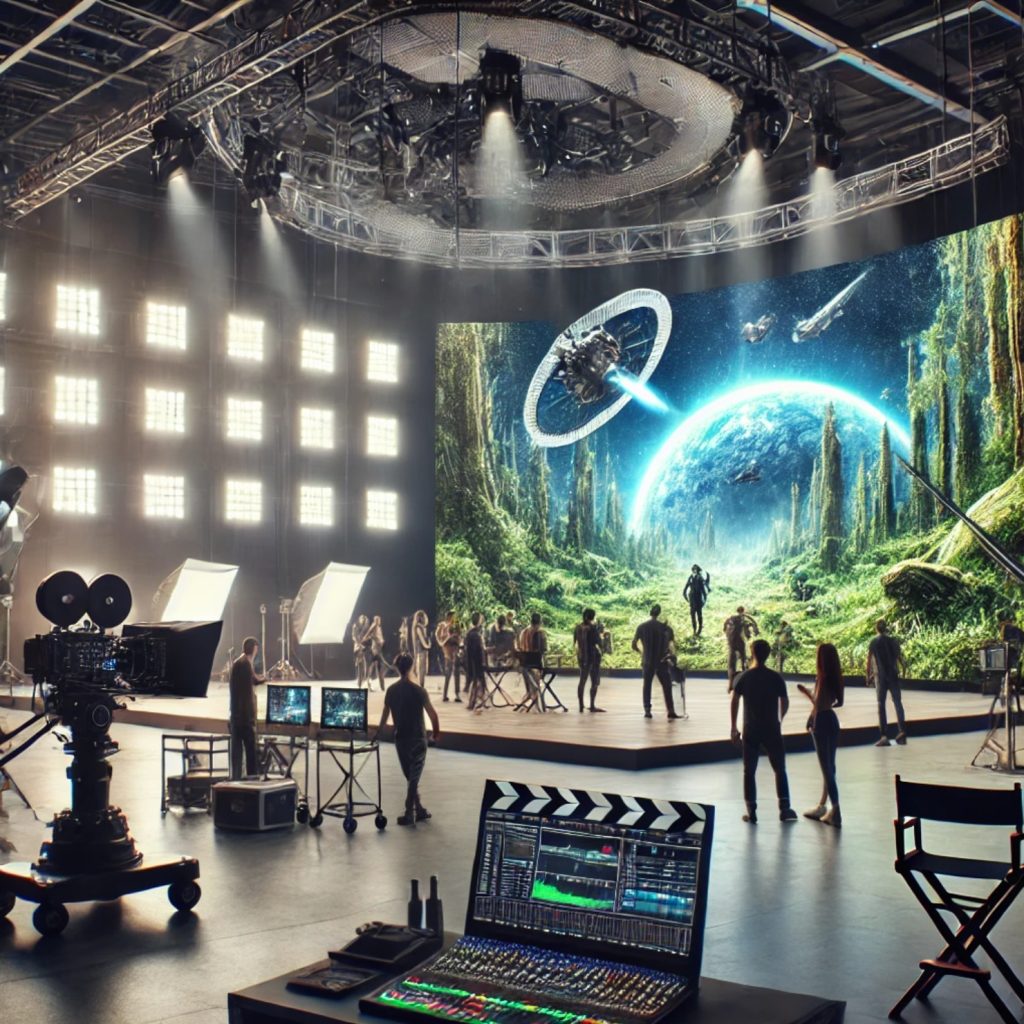
- Virtual Production: Immersive LED screens are revolutionizing filmmaking through virtual production techniques. Directors can use LED panels to create dynamic, photorealistic backgrounds in real-time, reducing the need for green screens.
- Gaming: XR displays offer gamers fully immersive environments where they can interact with virtual worlds using HMDs and motion controllers.
- Concerts and Events: LED walls and XR technologies create breathtaking stage designs, allowing audiences to feel like part of the performance.
2. Corporate and Retail
- Immersive Presentations: Corporate presentations can leverage XR displays to create engaging, interactive sessions that enhance understanding and retention.
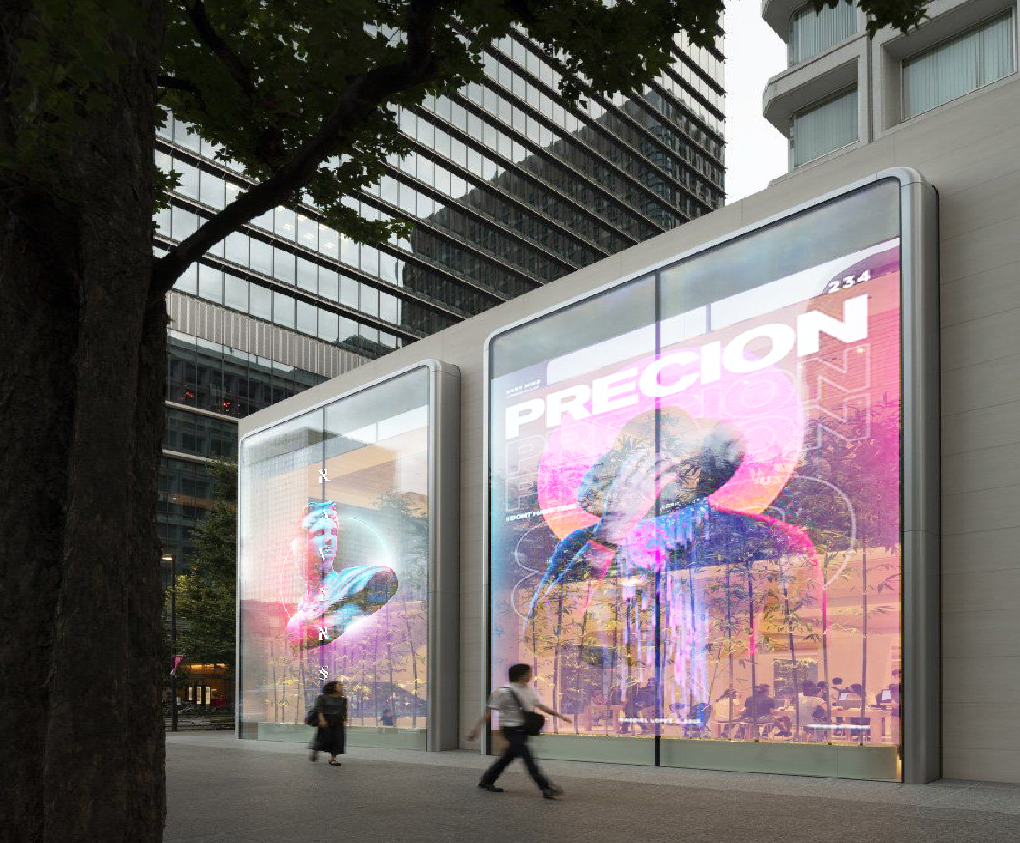
- Retail Experiences: Stores use immersive LED walls to captivate customers with dynamic advertisements, virtual try-ons, or AR-assisted shopping.
3. Education and Training
- Simulated Training: XR displays provide safe, controlled environments for training in industries such as aviation, healthcare, and defense. Trainees can practice real-world scenarios with minimal risk.
- Interactive Learning: Immersive displays create engaging educational content, such as 3D visualizations of historical events or scientific phenomena.
4. Healthcare
- Surgical Simulations: XR displays assist surgeons in visualizing complex procedures before performing them in real life.
- Therapy and Rehabilitation: Immersive environments help patients with physical therapy, exposure therapy, or pain management.
5. Architecture and Real Estate
- Virtual Walkthroughs: XR displays allow architects and real estate agents to provide virtual walkthroughs of buildings, offering clients a realistic sense of space and design.
Advantages of Immersive LED Screens and XR Displays
- Enhanced Engagement: Immersive visuals and interactivity capture and maintain audience attention more effectively than traditional displays.
- Cost-Effective Solutions: Virtual production using LED screens reduces the need for expensive location shoots and post-production work.
- Flessibilità: XR and immersive LED displays can adapt to various industries, making them versatile tools for communication and storytelling.
- Scalability: From small retail displays to massive concert stages, these technologies can scale to fit any application.
Sfide e considerazioni
- High Initial Costs: While immersive LED screens and XR setups provide long-term value, their initial costs can be prohibitive for some organizations.
- Technical Expertise: Deploying and maintaining these systems require skilled professionals, which may pose a barrier for smaller businesses.
- Hardware Limitations: XR displays rely on precise tracking and rendering, which can strain hardware capabilities in certain applications.
- Content Development: Creating high-quality content that leverages these technologies to their fullest potential can be time-consuming and resource-intensive.
The Future of Immersive LED and XR Displays
As technology continues to evolve, Si prevede che i display LED e XR immersivi diventeranno ancora più avanzati e accessibili. Le tendenze emergenti includono:
- Improved Resolution and Pixel Density: Enabling even more realistic visuals.
- AI Integration: Allowing for adaptive, intelligent interactions in XR environments.
- 5G Connectivity: Enhancing real-time data transmission for seamless XR experiences.
- Sostenibilità: Sviluppo di LED ad alta efficienza energetica e materiali riciclabili per progetti rispettosi dell’ambiente.
Questi progressi amplieranno ulteriormente le applicazioni dei display LED e XR immersivi, consolidando il loro ruolo nel plasmare il futuro della tecnologia visiva.
Conclusione
Gli schermi LED immersivi e i display XR rappresentano un cambiamento di paradigma nel modo in cui interagiamo con i contenuti digitali. La loro capacità di creare realistici, gli ambienti interattivi aprono infinite possibilità in tutti i settori. Mentre permangono sfide come costi e requisiti tecnici, i benefici superano di gran lunga i limiti. Poiché l'adozione continua a crescere, queste tecnologie giocheranno senza dubbio un ruolo centrale nella definizione della prossima generazione di esperienze visive.
