


2024-12-27



Интегрированные светодиодные экраны: Преобразование индустрии образования
В последние годы, технологические достижения существенно изменили различные отрасли, и сфера образования не является исключением. Одной из наиболее заметных инноваций в сфере образовательных технологий является широкое распространение встроенных светодиодных экранов., часто называемые светодиодными экранами «все в одном».. Эти универсальные и высокопроизводительные дисплеи все чаще становятся стандартной функцией в классах., лекционные залы, и учебных центров по всему миру. В этой статье рассматривается, как интегрированные светодиодные экраны меняют сферу образования, и подчеркиваются их преимущества., приложения, и потенциальные проблемы.
Преимущества встроенных светодиодных экранов
Встроенные светодиодные экраны сочетают в себе изображение высокой четкости., интерактивность, и бесшовное соединение в единое решение. Вот некоторые ключевые преимущества, которые делают их особенно подходящими для сектора образования.:
1. Улучшенный визуальный опыт:
Светодиодные экраны обеспечивают превосходную яркость, яркие цвета, и высокое разрешение, что делает их идеальными для представления сложной информации, такой как диаграммы., графики, и видео. Эта функция гарантирует, что учащиеся, даже в больших лекционных аудиториях, можно ясно видеть содержимое.
2. Интерактивность:
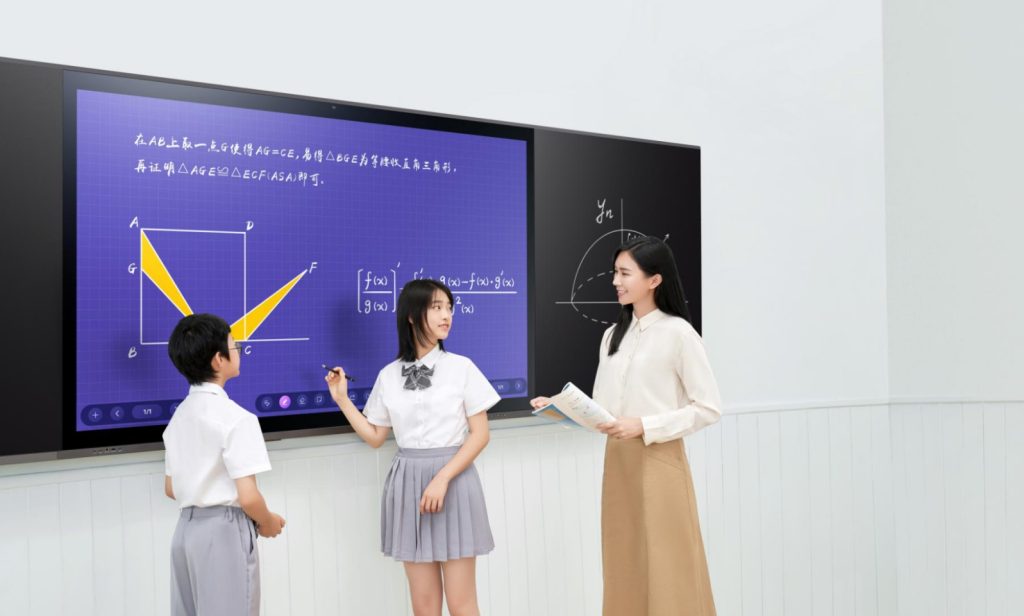
Многие встроенные светодиодные экраны оснащены сенсорными функциями., позволяющий проводить интерактивное обучение. Учителя могут комментировать прямо на экране, проводить викторины, и вовлекать учащихся в групповую деятельность, создание активной среды обучения.
3. Долговечность и энергоэффективность:
Светодиодная технология известна своей долговечностью и энергоэффективностью.. Эти экраны имеют длительный срок службы и потребляют значительно меньше энергии по сравнению с традиционными проекторами и другими технологиями отображения..
4. Возможности подключения и совместимость:
Встроенные светодиодные экраны поддерживают различные варианты подключения., включая Wi-Fi, HDMI, и USB, обеспечение бесшовной интеграции с ноутбуками, таблетки, и другие устройства. Они также совместимы с популярным образовательным программным обеспечением и системами управления обучением..
5. Компактный дизайн:
Конструкция «все в одном» исключает необходимость в дополнительном оборудовании, таком как проекторы., доски, или внешние динамики. Компактный форм-фактор упрощает установку и обслуживание в классах любого размера..
Приложения в сфере образования
Интегрированные светодиодные экраны нашли разнообразное применение в сфере образования., от школ K-12 до высших учебных заведений и корпоративных учебных заведений. Некоторые из ключевых вариантов использования включают в себя:
1. Интерактивные классы:
В начальных и средних школах, эти экраны используются для создания интерактивных уроков, которые привлекают учащихся посредством мультимедийных презентаций., геймифицированные обучающие модули, и совместная деятельность. Например, Учитель биологии может использовать 3D-анимацию, чтобы продемонстрировать анатомию человеческого сердца в ярких деталях..
2. Лекционные залы и аудитории:
В университетах и колледжах, широкоформатные светодиодные экраны заменяют традиционные проекторы для проведения лекций, презентации, и семинары. Превосходное качество изображения и широкие углы обзора гарантируют, что каждый студент в зале сможет одинаково хорошо получить доступ к контенту..
3. Виртуальное и гибридное обучение:
С появлением моделей дистанционного и гибридного обучения, встроенные светодиодные экраны облегчают виртуальные классы, позволяя проводить видеоконференции, онлайн-оценки, и сотрудничество в режиме реального времени. Они также служат мостом между очными и онлайн-студентами., обеспечение инклюзивности.
4. Обучение и профессиональное развитие:
В корпоративном обучении и обучении взрослых, эти экраны используются для проведения увлекательных семинаров, симуляции, и ролевые упражнения. Например, программа обучения продажам может использовать интерактивность экранов для реализации сценариев ролевых игр в реальном времени..
5. Лаборатории STEM и кодирования:
В специализированных учебных средах, таких как лаборатории STEM и центры кодирования., встроенные светодиодные экраны позволяют проводить практическое обучение, отображая результаты программирования, научные эксперименты, и визуализация данных.
Влияние на преподавание и обучение
Интеграция светодиодных экранов в образование имеет глубокие последствия как для преподавания, так и для обучения.. Преподаватели получают выгоду от простоты подачи контента и возможности включать разнообразные учебные материалы., включая видео, анимации, и данные в реальном времени. Такая универсальность позволяет преподавателям адаптироваться к различным стилям обучения., например визуальный, слуховой, и кинестетики.
Студенты, с другой стороны, наслаждайтесь более увлекательным и захватывающим опытом обучения. Интерактивность светодиодных экранов стимулирует активное участие, критическое мышление, и навыки решения проблем. Кроме того, технология устраняет цифровой разрыв, знакомя студентов с передовыми инструментами, которые готовят их к работе в высокотехнологичной рабочей силе..
Проблемы и соображения
Несмотря на свои многочисленные преимущества, внедрение интегрированных светодиодных экранов не лишено проблем. Школы и учреждения должны учитывать несколько факторов, чтобы максимизировать свои преимущества.:
1. Расходы:
Первоначальные инвестиции в покупку и установку встроенных светодиодных экранов могут быть значительными., особенно для учреждений с ограниченным бюджетом. Однако, долгосрочная экономия на техническом обслуживании и затратах на электроэнергию может компенсировать эти первоначальные затраты.
2. Обучение преподавателей:
Чтобы полностью использовать возможности светодиодных экранов, учителя и администраторы нуждаются в надлежащей подготовке. Это может потребовать дополнительного времени и ресурсов для профессионального развития..
3. Техническая поддержка и обслуживание:
Регулярное обслуживание и техническая поддержка необходимы для обеспечения бесперебойной работы экранов.. Учреждения должны иметь доступ к надежным службам поддержки, чтобы свести к минимуму время простоя..
4. Цифровой капитал:
Светодиодные экраны улучшают качество обучения, их принятие может увеличить цифровой разрыв, если не все учреждения смогут их себе позволить. Правительства и политики должны рассмотреть вопрос о справедливом распределении, чтобы обеспечить доступ малообеспеченным школам..
Будущие перспективы
Поскольку технологии продолжают развиваться, встроенные светодиодные экраны, вероятно, станут еще более совершенными и доступными.. Новые тенденции, такие как дополненная реальность (АР) и искусственный интеллект (ИИ) интеграция имеет потенциал для дальнейшего расширения их возможностей. Например, Светодиодные экраны с поддержкой AR могут позволить студентам виртуально исследовать исторические места или проводить химические эксперименты в смоделированной среде..
Более того, достижения в области устойчивого развития и энергоэффективного дизайна сделают эти экраны более экологически чистыми., в соответствии с глобальным стремлением к более зеленым технологиям в образовании.
Заключение
Интегрированные светодиодные экраны представляют собой преобразующую силу в сфере образования., преодоление разрыва между традиционными методами обучения и современными цифровыми инструментами. За счет повышения интерактивности, улучшение доставки контента, и содействие инклюзивности, эти экраны могут революционизировать способы передачи и усвоения знаний.. Однако, их успешное внедрение зависит от тщательного планирования, адекватная подготовка, и равный доступ. Поскольку образование продолжает внедрять цифровую трансформацию, встроенные светодиодные экраны, несомненно, будут играть центральную роль в формировании будущего обучения..
