


 Дом » Блог » Комупионные новости »
2026-04-04



Вы когда-нибудь ловили себя на том, что смотрите на этот колоссальный светодиодный экран и думаете, "Конечно, it's eye-catching, но что еще он может сделать?" You're not the only one who's wondered that.
Сцена со светодиодными экранами претерпевает небольшие изменения.. It's no longer just about the plain old flat panels—it's all about going the extra mile. Сейчас, когда люди покупают экраны, they're torn between opting for a flexible LED wonder or sticking with the classic LED variety. It's not as cut and dried as it used to be.
I've had the pleasure of dealing with both kinds in various endeavors—from setting up shop in retail spaces to creating event stages and even diving into some innovative architectural endeavors. Позвольте мне сказать вам, there's a role for each. Но выбор не той лошади для участия в этих скачках может оказаться дорогостоящей ошибкой..
Что такое гибкий светодиодный дисплей?
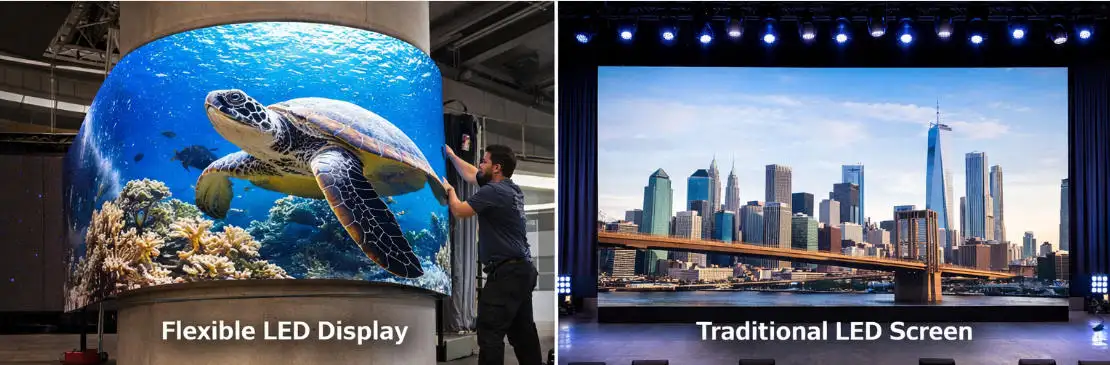
A гибкий светодиодный экран именно то, что следует из названия: светодиодная панель, построенная на гибком, гибкая основа, а не жесткая рама. В отличие от своих собратьев старой школы, эти дисплеи могут:
- Завивайте внутрь или наружу
- Обмотка вокруг колонн
- Формируем волны, цилиндры, или даже инновационные формы.
Именно здесь действительно начинаются дебаты между изогнутыми и плоскими светодиодными экранами.. Вам больше не нужны только прямоугольные варианты..
Что такое традиционный (Жесткий) Светодиодный экран?
Стандартный светодиодный экран, также известный как жесткий светодиодный дисплей, имеет прочный корпус, обычно изготовленный из алюминия или стали..
Here's the deal:
- Плоский и твердый
- Идеально подходит для стандартных настроек (как стены, рекламные щиты, этапы)
- Этот формат до сих пор доминирует в отрасли., и по уважительной причине.
- Жесткие экраны надежны, масштабируемый, и бюджетно.
Гибкий светодиодный дисплей против традиционного светодиодного экрана: Основные различия
Гибкость структуры и дизайна
Гибкий светодиодный дисплей:
- Гибкий, скручиваемый, и можно обернуть
- Идеально подходит для нестандартных помещений
Традиционный светодиодный экран:
- Статический, плоская установка
- Ограничено стандартными формами.
В случаях, когда ваш проект требует столбцов, кривые, или художественное чутье, явным победителем является гибкий вариант.
Сложность установки
Гибкий светодиодный дисплей:
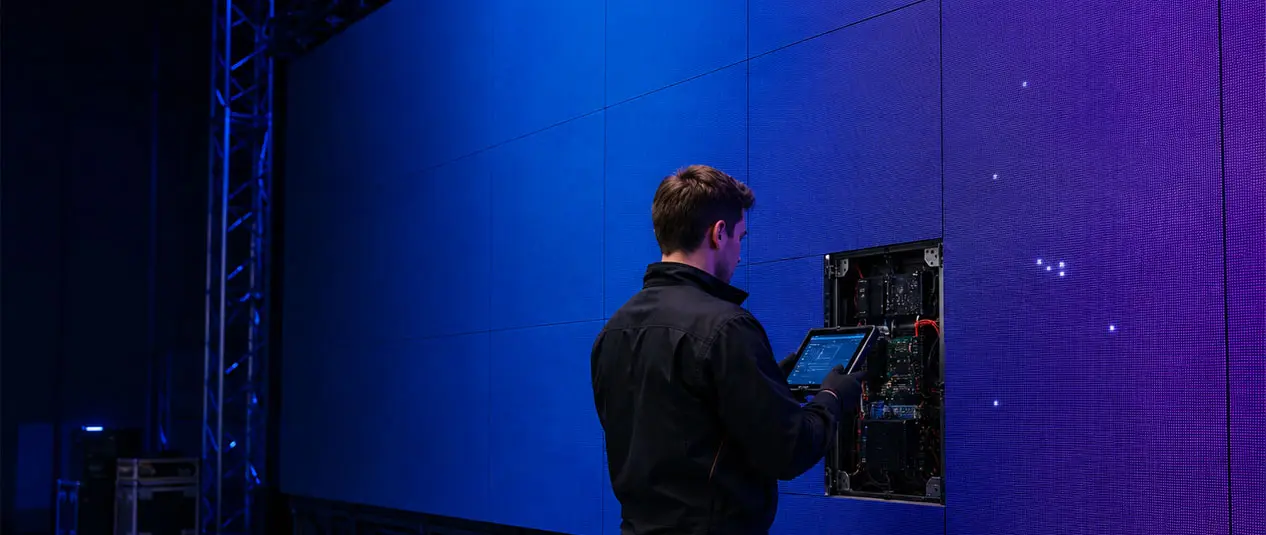
- Требуются квалифицированные инженеры
- Часто требуются специальные крепления
Традиционный светодиодный экран:
- Модульный и стандартизированный
- Установка происходит быстрее
Правда в том,, а гибкие дисплеи выглядят фантастически, they aren't as simple to set up as one might think.
Визуальное воздействие
Гибкий светодиодный дисплей:
- Предлагает захватывающий опыт
- Достигает 3D-изображений
- Повышает вовлеченность в розничную торговлю и выставки.
Традиционный светодиодный экран:
- Обеспечивает четкую, четкие изображения
- Идеально подходит для прямого обмена сообщениями
If you're aiming to grab attention, гибкие дисплеи трудно превзойти.
Долговечность и обслуживание
Гибкий светодиодный дисплей:
- Более деликатный
- Склонен к повреждению при неправильном обращении
Традиционный светодиодный экран:
- Прочный и долговечный
- Легче обслуживать и чинить
Here's the catch: покупатели часто упускают из виду разницу между гибкими и жесткими светодиодными экранами..
Flexible isn't fragile, но это требует немного большего внимания.
Фактор стоимости
Гибкий светодиодный дисплей:
- Более высокие первоначальные инвестиции
- Кастомизация может поднять цену
Традиционный светодиодный экран:
Более бюджетно
Широко доступный
If money's tight, жесткие экраны по-прежнему популярны по какой-то причине.
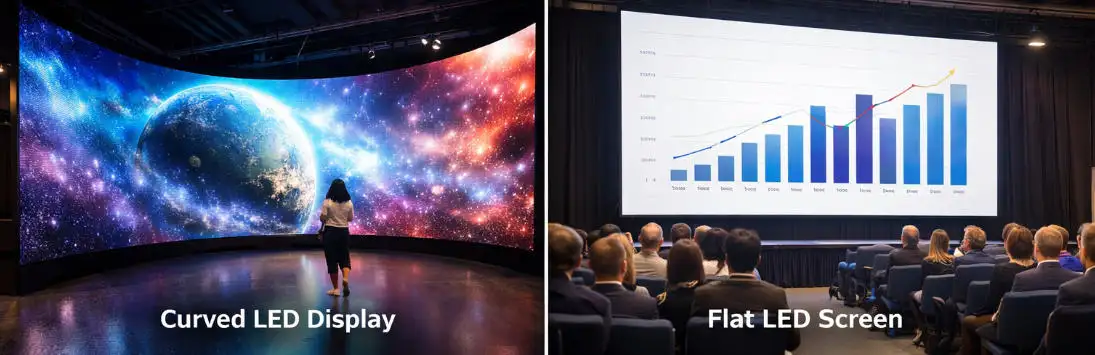
Изогнутые против. Плоский светодиодный дисплей: Когда кривизна имеет значение
Изогнутые дисплеи того стоят, только если:
- Пространство изначально искривлено
- Вы ищете эффект погружения или панорамы
- You're crafting a high-end commercial space
- В противном случае, плоские экраны — ваш лучший выбор, к тому же они дешевле.
I've seen projects where companies went for curved displays just for the 'wow' factor, только для того, чтобы недостаточно использовать их. Don't make that mistake.
Реальные приложения
Гибкий светодиодный дисплей превосходит:
- Флагманские магазины розничной торговли
- Выставочные площади
- Музеи и интерактивные центры
- Архитектурные медиафасады
Традиционный светодиодный экран превосходит:
- Наружная реклама
- Конференц-залы
- Сценические декорации
- Спортивные арены
It's all about the right tool for the right job.
Незамеченный элемент
Here's something that often flies under the radar:
Адаптация контента – это ключ к успеху.
Гибкий светодиодный дисплей эффективен настолько, насколько эффективен контент, созданный специально для него..
If you're playing standard 16:9 видео на изогнутом экране, you're not maximizing the hardware's potential.
Гибкие экраны требуют:
- Изготовление видеороликов на заказ
- Креативный дизайн макета
- Иногда даже рендеринг в реальном времени
- Держите это прямо.
Это дополнительный уровень инвестиций.
Так, what's the scoop?
Для нотки элегантности и визуального таланта, выберите гибкий светодиодный дисплей. Идеально подходит для случаев, когда вы хотите заявить о себе, не жертвуя при этом простотой.. А если твое пространство — это все кривые и неровности, эти дисплеи могут принимать любую форму. Подумайте о роскоши или уникальном опыте. С другой стороны, if you're looking for durability and cost-effectiveness, традиционный светодиодный экран — ваш выбор. It's a solid choice for a straightforward, ровная площадка, с дополнительным преимуществом быстрой настройки и простого обслуживания.
В конце концов, it's not about one being better than the other. It's all about what fits your specific project needs. Гибкие светодиодные дисплеи будущее – творческое, захватывающий, и архитектурный. Традиционные светодиодные экраны, хорошо, they've been around the block and done the job reliably, эффективно, и масштабируемо. If you're aiming to impress, гибкий путь. But if you want something that's going to perform day in and day out, Традиционный способ быть.
Схема часто задаваемых вопросов (Для богатых результатов)
Q1: В чем разница между гибким и жестким светодиодным экраном?
Гибкий светодиодный экран может сгибаться и адаптироваться к изогнутым поверхностям., в то время как жесткий светодиодный экран фиксирован и плоский, предназначен для стандартной установки.
Q2: Гибкие светодиодные дисплеи лучше традиционных светодиодных экранов?
Не обязательно. Гибкие светодиодные дисплеи предлагают больше свободы дизайна и визуального воздействия., в то время как традиционные светодиодные экраны более экономичны и долговечны..
Вопрос 3: Когда следует выбирать изогнутый светодиодный дисплей?
Выбирайте изогнутый светодиодный дисплей, если ваша среда установки изогнута или вы хотите создать захватывающий визуальный эффект..
Q4: В чем преимущества гибких светодиодных дисплеев?
Преимущества гибких светодиодных дисплеев включают возможность адаптации к сложным формам., улучшенное визуальное взаимодействие, и инновационные возможности дизайна.
Q5: Является ли традиционный светодиодный экран более надежным??
Да, традиционные светодиодные экраны, как правило, более прочны, легче поддерживать, и широко используется в долгосрочных установках.
