


 بيت » مدونة » أخبار الشركة »
2026-04-24



تقنية عرض LED المرنة لقد غيرت طريقة تصميم وتركيب الشاشات المرئية الحديثة. على عكس لوحات LED الصلبة التقليدية, تم تصميم وحدة LED مرنة للانحناء, منحنى, والتكيف مع الأسطح المختلفة دون فقدان جودة العرض. وهذا يجعله خيارًا مثاليًا للتركيبات الإبداعية, الجدران المنحنية, شاشات اسطوانية, خلفيات المسرح, لافتات البيع بالتجزئة, والمشاريع المعمارية المخصصة.
مع تزايد الطلب على حلول عرض أكثر ديناميكية وكفاءة في استخدام المساحة, يبحث المزيد من المشترين عن مصطلحات مثل وحدة LED المرنة, شاشة LED مرنة لثنائي الفينيل متعدد الكلور, هيكل وحدة LED, مواد عرض LED, وتكنولوجيا وحدة LED الناعمة. فهم كيفية بناء هذه الوحدات, ما هي المواد التي يستخدمونها, وكيفية عمل التكنولوجيا يمكن أن تساعدك في اختيار الحل المناسب لمشروعك.
ما هي وحدة LED المرنة?
وحدة LED المرنة عبارة عن وحدة عرض مصممة بقاعدة ناعمة وقابلة للانحناء حتى تتمكن من احتواء الأسطح المنحنية أو غير المنتظمة. بدلاً من استخدام لوحة PCB الصلبة, يستخدم طبقة دائرة مرنة تسمح للوحدة بالالتواء أو الانحناء ضمن نطاق معين. وهذا يمنح المصممين والقائمين على التركيب مزيدًا من الحرية عند إنشاء أشكال فريدة لشاشات LED.
بعبارات بسيطة, لا تزال الوحدة تعمل مثل وحدة LED القياسية. تحتوي على مصابيح LED, الدوائر, مكونات القيادة, والطبقات الواقية. والفرق الرئيسي هو أن هيكلها مصمم للمرونة وليس للصلابة. ولهذا السبب غالبًا ما يتم استخدام وحدات LED المرنة في المشاريع التي لا تستطيع فيها خزانات LED المسطحة التقليدية تلبية متطلبات التصميم.
هيكل وحدة LED المرنة
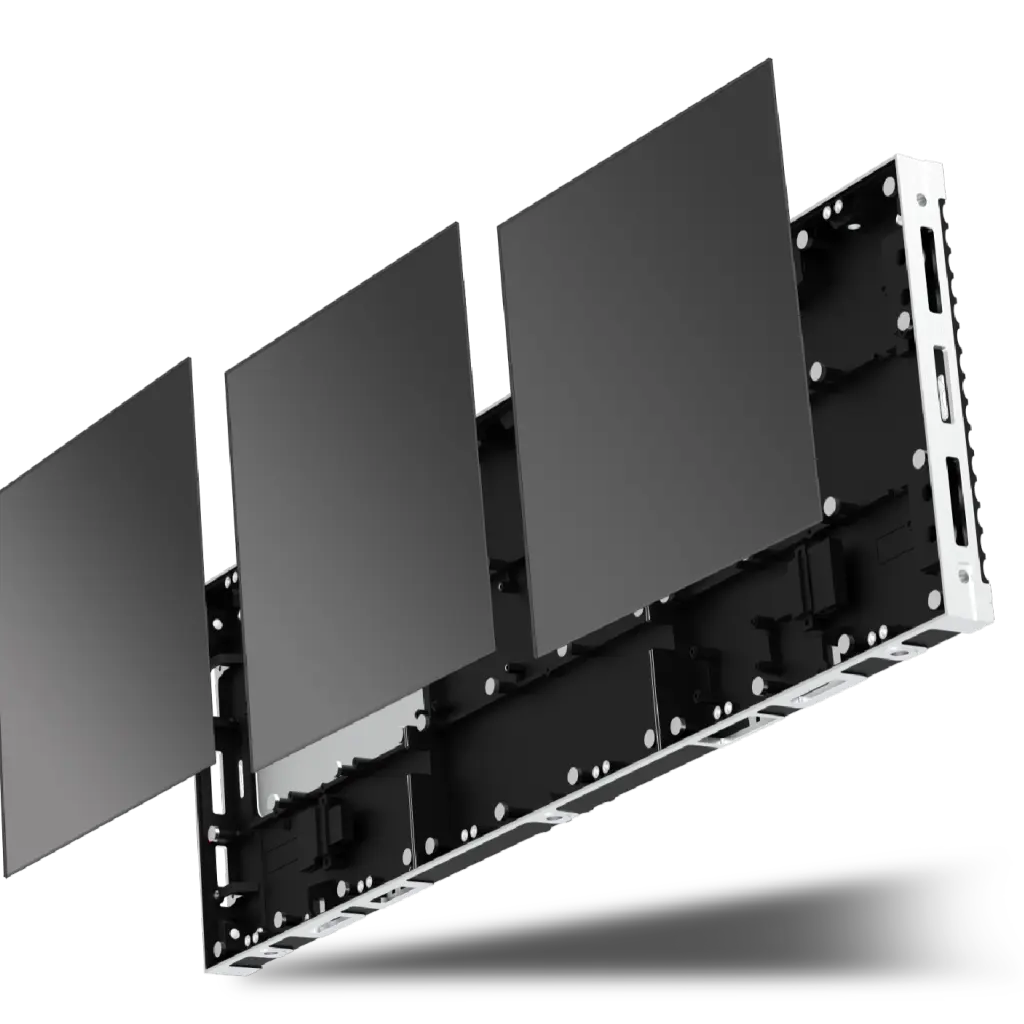
يعد هيكل وحدة LED أحد أهم العوامل التي تؤثر على الأداء, المتانه, وراحة التثبيت. تتضمن وحدة LED المرنة عالية الجودة عادةً عدة طبقات ومكونات رئيسية.
الجزء الأول هو مصباح LED نفسه. هذه هي الثنائيات المرئية الباعثة للضوء التي تنشئ الصورة. يجب ترتيب مصابيح LED بدقة للحفاظ على سطوع ثابت, دقة الألوان, وجودة المشاهدة.
الجزء الثاني هو ثنائي الفينيل متعدد الكلور المرن. هذا هو أساس الوحدة. في شاشة LED PCB مرنة, لوحة الدائرة مصنوعة من مواد قابلة للانحناء يمكنها التعامل مع التشكيل المتكرر دون أن تتشقق بسهولة. بالمقارنة مع لوحة جامدة, يسمح هذا الهيكل للوحدة بمتابعة المنحنيات بشكل طبيعي أكثر.
الجزء الثالث هو طبقة حماية السطح. تساعد هذه الطبقة على حماية مصابيح LED والدوائر من الغبار, الرطوبه, وتأثير جسدي خفيف. كما أنه يدعم إخراج الضوء الموحد ويثبت شكل الوحدة.
عنصر آخر مهم هو النظام المغناطيسي أو التثبيت. تم تصميم العديد من وحدات LED المرنة للتثبيت السريع, وخاصة في الشاشات ذات الشكل المخصص. تساعد طريقة التثبيت الموثوقة في الحفاظ على سلاسة الوحدة ومحاذاتها بعد الثني.
معاً, تعمل هذه الأجزاء على إنشاء نظام عرض يوازن بين المرونة, جودة الصورة, والاستقرار على المدى الطويل.
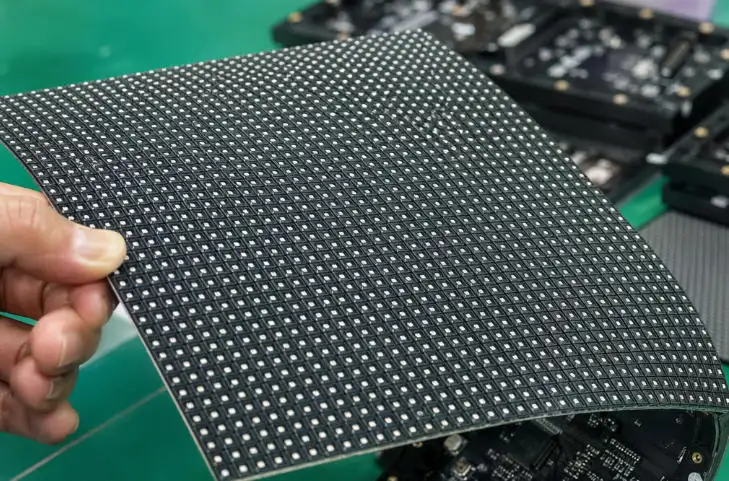
مواد عرض LED الرئيسية المستخدمة في الوحدات المرنة
يؤثر اختيار مواد شاشة LED بشكل مباشر على أداء الوحدة. تحدد المواد ما إذا كانت الشاشة يمكن أن تنحني بشكل صحيح, تبديد الحرارة بشكل فعال, وتظل متينة في ظل الاستخدام طويل الأمد.
واحدة من أهم المواد هي الركيزة المرنة للدائرة. عادة ما يكون هذا مصنوعًا من مواد توفر الاستقرار الكهربائي والمرونة الميكانيكية. يجب أن يدعم نقل الإشارة مع السماح للوحة بالانحناء.
قناع اللحام والطلاء الواقي مهمان أيضًا. تساعد هذه المواد على منع تلف سطح الدائرة وتحسين مقاومة الضغوط البيئية.
بالنسبة للهيكل الخارجي, غالبًا ما يتم تفضيل المواد خفيفة الوزن والمقاومة للحرارة. فهي تساعد على تقليل الوزن الإجمالي للوحدة وتحسين سلامة التثبيت. في العديد من التصاميم, يجب أن يعمل إطار الوحدة أيضًا مع الهيكل الناعم دون تقليل المرونة.
تعد رقائق LED نفسها عاملاً ماديًا مهمًا آخر. توفر الرقائق عالية الجودة سطوعًا أفضل, انخفاض استهلاك الطاقة, وعمر أطول. في وحدة LED مرنة, يجب أيضًا أن تكون الرقائق مستقرة بما يكفي للتعامل مع الحركة الطفيفة أو الانحناء للوحة.
المواد اللاصقة, الموصلات, وتساهم مواد المعالجة السطحية أيضًا في الجودة النهائية. يمكن أن يؤدي الاختيار السيئ للمواد إلى انحناء غير متساوٍ, نقل إشارة ضعيفة, أو تقليل عمر الشاشة.
كيف تعمل تقنية وحدة LED اللينة
تم تصميم تقنية وحدة LED الناعمة للجمع بين المرونة وأداء العرض العالي. الفكرة الأساسية هي السماح للوحدة بالانحناء مع الحفاظ على المكونات الإلكترونية وظيفية وموثوقة.
تعتمد هذه التقنية على تخطيطات الدوائر المصممة بعناية. تم تصميم مسارات الأسلاك داخل الوحدة لتحمل الحركة والتشوه. وهذا يعني أن الإشارات الكهربائية تظل مستقرة حتى عندما تكون الشاشة منحنية.
جزء رئيسي آخر من تكنولوجيا وحدة LED الناعمة هو استخدام عمليات التصنيع الدقيقة. وبما أن المجلس مرن, التباعد, لحام, ويجب التحكم في وضع المكونات بدقة شديدة. حتى الأخطاء الصغيرة يمكن أن تؤثر على تناسق السطوع أو محاذاة الشاشة.
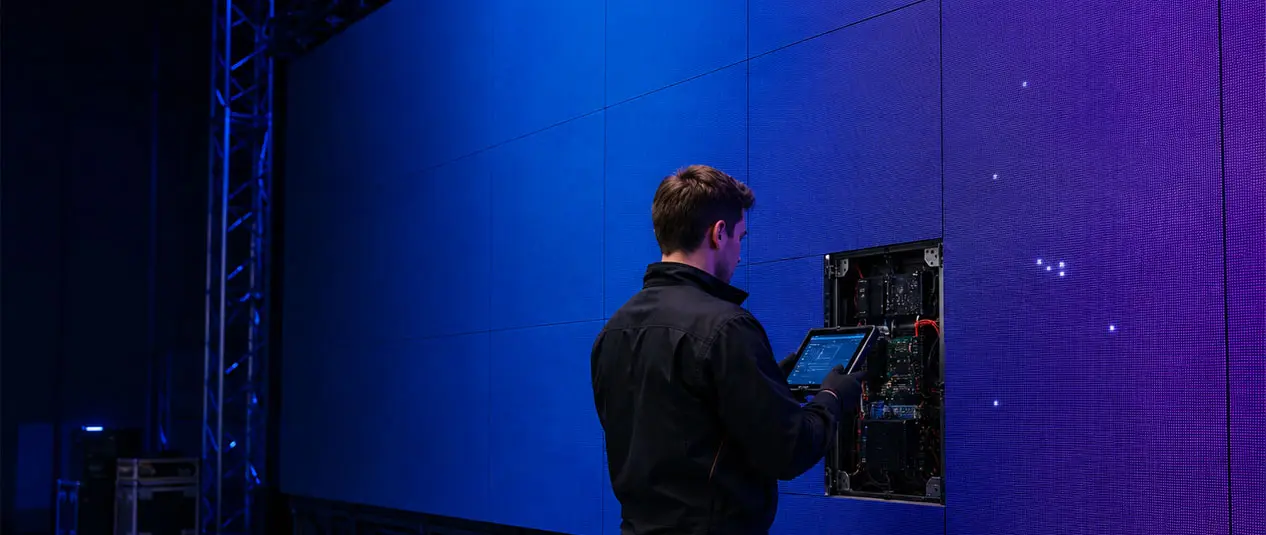
تعد إدارة الحرارة أيضًا جزءًا كبيرًا من التكنولوجيا. يجب أن تتجنب الوحدات المرنة ارتفاع درجة الحرارة لأن الانحناء المتكرر والتركيب المدمج يمكن أن يخلق ضغطًا إضافيًا على النظام. يساعد التصميم الحراري الجيد في الحفاظ على التشغيل المستقر بمرور الوقت.
فضلاً عن ذلك, غالبًا ما تستخدم وحدات LED الناعمة أنظمة معايرة وبرامج تشغيل متقدمة لضمان إخراج الصورة بسلاسة. وهذا يساعد الشاشة على عرض صور واضحة دون تشويه, حتى عند تركيبها على الأسطح غير المسطحة.
مزايا حلول العرض LED المرنة لثنائي الفينيل متعدد الكلور
توفر شاشة PCB LED المرنة العديد من المزايا الرئيسية مقارنة بأنظمة العرض الصلبة التقليدية.
الميزة الأولى هي حرية التصميم. منحني, موجي, دائري, وتصبح أشكال العرض غير المنتظمة ممكنة. وهذا أمر ذو قيمة كبيرة للإعلان الإبداعي والهندسة المعمارية الحديثة.
الميزة الثانية هي أخف وزنا. لأن الوحدات المرنة غالبًا ما تستخدم مواد أرق وأكثر قدرة على التكيف, يمكنهم تقليل الحمل الإجمالي على هيكل التثبيت.
الميزة الثالثة هي سهولة التخصيص. يمكن تكييف الوحدات المرنة مع مشاريع وأبعاد مختلفة بشكل أكثر فعالية من اللوحات القياسية.
الميزة الرابعة هي التأثير البصري. غالبًا ما تجذب الشاشة المنحنية أو ذات الشكل المزيد من الاهتمام أكثر من الشاشة المسطحة البسيطة. يمكن أن يكون هذا مفيدًا بشكل خاص في تجارة التجزئة, معرض, ترفيه, وبيئات عرض العلامة التجارية.
الميزة الخامسة هي التكيف بشكل أفضل مع المساحة. عندما لا يكون الجدار أو الهيكل مسطحًا تمامًا, يمكن لوحدة LED المرنة أن تتناسب بشكل طبيعي أكثر وتخلق مظهرًا نهائيًا أنظف.
حيث يتم استخدام وحدات LED المرنة
تُستخدم وحدات LED المرنة على نطاق واسع في المشاريع التي تتطلب الإبداع البصري ومرونة التثبيت. وتشمل التطبيقات الشائعة مراكز التسوق, خلفيات المسرح, أكشاك المعرض, نوافذ البيع بالتجزئة, غرف التحكم, المتاحف, والمساحات التجارية تحت عنوان.
كما أنها تحظى بشعبية كبيرة في الديكور المعماري, حيث يجب أن تتبع الشاشة الأعمدة, الجدران المنحنية, أو هياكل خاصة. في إعدادات الترفيه, فهي تساعد في إنشاء بيئات بصرية غامرة لا تستطيع لوحات LED التقليدية تحقيقها بسهولة.
للمشاريع الخارجية أو شبه الخارجية, يجب أن يتطابق تصميم الوحدة مع مستوى الحماية الصحيح وطريقة التثبيت. في هذه الحالات, أصبحت جودة المواد والدقة الهندسية أكثر أهمية.
ما يجب مراعاته قبل اختيار وحدة LED المرنة
لم يتم تصميم جميع وحدات LED المرنة بنفس الطريقة. عند اختيار واحد, من المهم أن ننظر إلى نطاق الانحناء, درجة البكسل, سطوع, معدل التحديث, وتصميم الصيانة.
يجب عليك أيضًا الانتباه إلى جودة مواد شاشة LED. المواد الأفضل عادة ما تعني استقرارًا أفضل, مرونة أقوى, وعمر خدمة أطول.
يجب اختبار هيكل الوحدة من أجل التثبيت السلس والانحناء الموثوق. قد تبدو الوحدة المصممة بشكل سيء مرنة في البداية ولكنها تخلق أسطحًا غير مستوية أو تعرض تشويهًا بعد التثبيت.
فضلاً عن ذلك, من المهم أن تسأل عن عملية الإنتاج, مراقبة الجودة, ودعم ما بعد البيع. نظرًا لأن شاشات العرض المرنة تُستخدم غالبًا في المشاريع المخصصة, يمكن أن يحدث الدعم الفني فرقًا كبيرًا أثناء التثبيت والتشغيل.
مستقبل تكنولوجيا شاشات العرض LED المرنة
تقنية عرض LED المرنة يستمر في التطور بسرعة. يركز المصنعون على الهياكل الأرق, تحسين أداء الانحناء, انخفاض استهلاك الطاقة, وتحسين الاتساق البصري.
مع تحسن تقنية وحدة LED الناعمة, يمكننا أن نتوقع المزيد من التطبيقات الإبداعية في المساحات التجارية, تصميم المرحلة, الفن الرقمي, والهندسة المعمارية الذكية. قد تصبح الوحدات المستقبلية أخف وزنا, أكثر متانة, وأسهل في التثبيت على الأسطح المعقدة.
للشركات التي تبحث عن حل عرض حديث, لم تعد وحدة LED المرنة مجرد منتج خاص. لقد أصبح جزءًا مهمًا من الجيل القادم من الاتصالات المرئية الرقمية.
تجمع وحدة LED المرنة بين البنية المتقدمة, مواد مختارة بعناية, والهندسة الذكية لإنشاء نظام عرض قوي وقابل للتكيف. بدءًا من قاعدة عرض PCB LED المرنة وحتى مصابيح LED عالية الأداء والطبقات الواقية, يلعب كل جزء من الوحدة دورًا في جودة الصورة وموثوقيتها.
فهم هيكل وحدة LED, مواد عرض LED, ويمكن أن تساعد تقنية وحدة LED الناعمة المشترين على اتخاذ قرارات أفضل للمشاريع المخصصة, المنشآت التجارية, والتطبيقات البصرية الإبداعية. مع استمرار تطور متطلبات العرض, ستظل حلول LED المرنة واحدة من أكثر الخيارات قيمة للتصميم المرئي الحديث.
