


2026-01-21



Walk into almost any major concert, exhibition, or brand event today, and one thing immediately stands out: LED screens are everywhere. They are no longer just “screens” in the background. They have become the stage itself—shaping atmosphere, guiding audience attention, and turning live events into fully immersive visual experiences.
As audience expectations continue to rise, event organizers, production teams, and brands are rethinking how visual technology is used. LED screens now sit at the center of this transformation, redefining how stories are told, performances are enhanced, and environments are created.
From Supporting Element to Center Stage
Not long ago, LED displays were mainly used as supplementary visuals—showing logos, simple motion graphics, or camera feeds. Today, they are core design elements. Entire stages are built around LED structures, whether it’s a massive video wall behind a performer or a custom-shaped display wrapping around the audience.
This shift is driven by a simple reality: static stages no longer hold attention. Modern audiences expect movement, depth, and visual storytelling. LED screens make this possible by allowing real-time content changes, seamless transitions, and visuals that evolve with the performance or event agenda.
Creating Immersive Experiences, Not Just Visuals
What truly sets LED screens apart is their ability to create immersion. Instead of watching a performance, audiences feel surrounded by it.
Large-format LED walls can instantly transform a stage into a cityscape, a futuristic world, or an abstract visual environment that reacts to sound and motion. Close-up live camera feeds bring performers emotionally closer to audiences in large venues, while synchronized animations amplify energy during key moments.
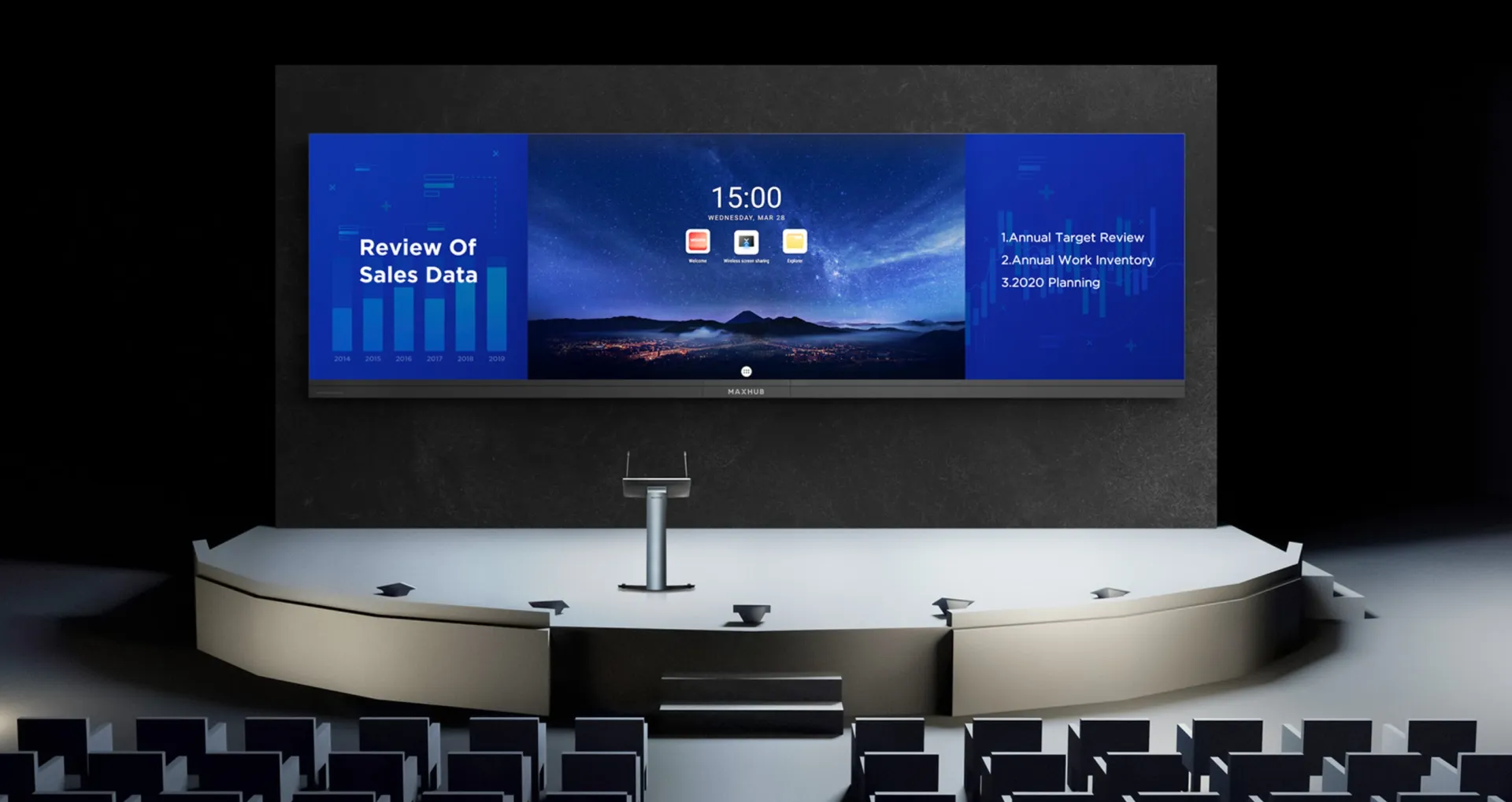
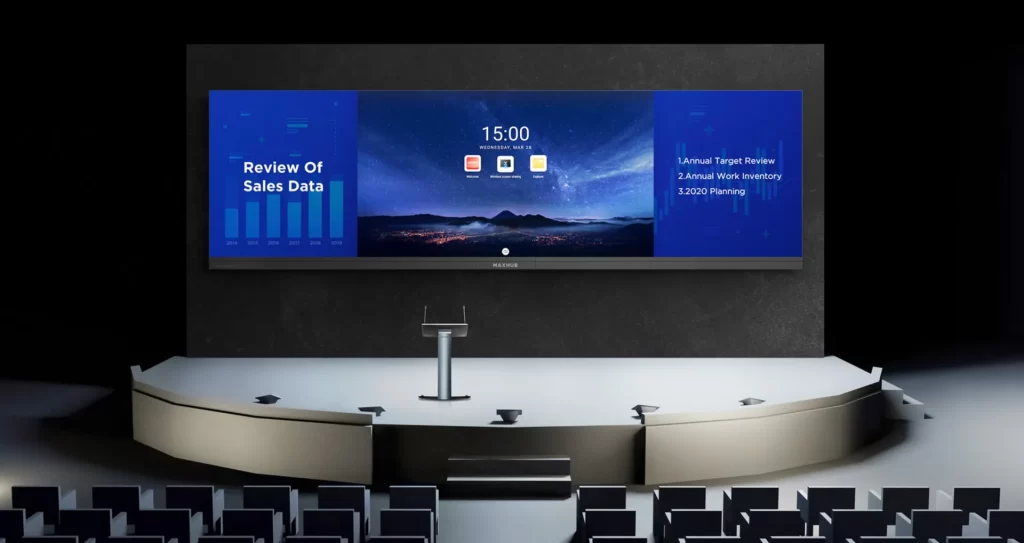
For corporate events and exhibitions, LED displays serve a different but equally powerful role. They help brands communicate complex messages clearly—through animated product demos, storytelling visuals, and interactive content—making presentations more engaging and memorable.
Why LED Screens Work So Well for Live Events
The widespread adoption of LED screens in live production isn’t just about aesthetics. It’s also about performance and reliability.
Modern LED display technology offers several practical advantages:
- High brightness, ensuring clear visibility even in outdoor venues or brightly lit spaces
- Wide viewing angles, so content looks consistent from different seating positions
- Modular design, allowing screens to be scaled or reshaped to fit any stage layout
- Fast installation and dismantling, which is essential for touring shows and rental applications
These features make LED screens particularly well-suited for concerts, festivals, exhibitions, and touring productions where flexibility and efficiency are critical.
Flexible Solutions for Different Event Scenarios
Manufacturers like LEDcheer have responded to these evolving demands by developing LED display solutions specifically designed for live events, stages, and immersive environments.
For example:
- Rental and stage LED displays are engineered for frequent setup and breakdown, making them ideal for concerts, touring events, and temporary installations.
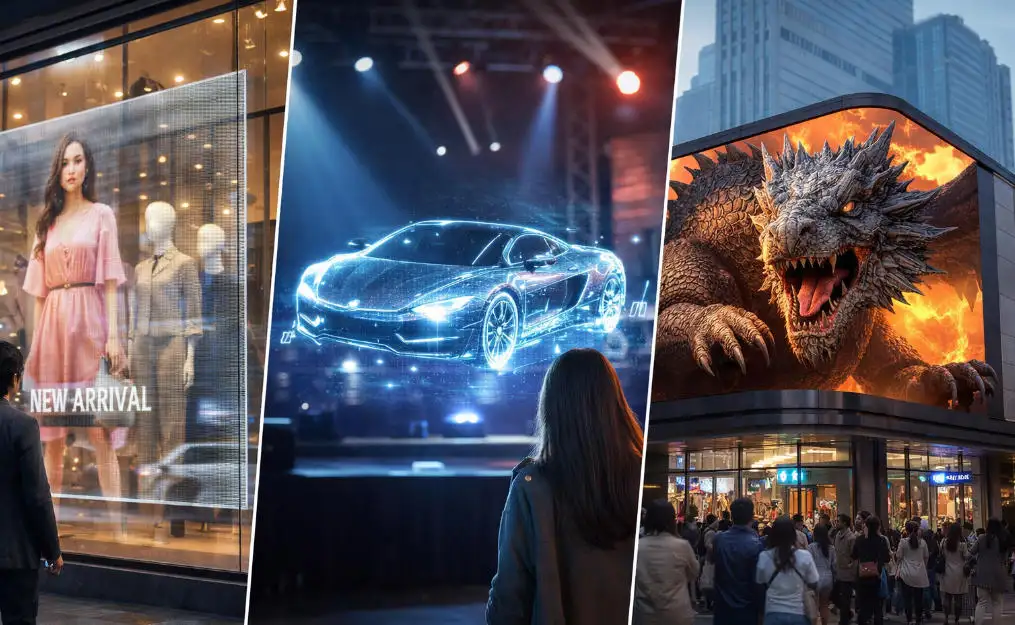
- Creative LED displays, including curved, transparent, and custom-shaped modules, allow designers to move beyond traditional rectangular screens and experiment with bold, unconventional stage designs.
- Outdoor and DOOH LED screens provide high durability and brightness, supporting large-scale public events, festivals, and brand activations in open environments.
This range of solutions gives event planners and designers the freedom to match technology with creative vision, rather than being limited by it.
Redefining Stage Design and Audience Engagement
One of the most important changes LED screens have brought to live events is how audiences engage with the experience.
Instead of passively watching, audiences are guided visually throughout the event. Lighting, sound, and LED visuals work together to build anticipation, highlight key moments, and maintain emotional pacing. In some cases, LED content even reacts to audience participation, blurring the line between performer and viewer.
For brands and event organizers, this level of engagement translates directly into stronger impact. Messages are clearer, moments are more memorable, and the overall experience feels polished and intentional.
Looking Ahead: The Future of Live Visual Experiences
As live events continue to merge with digital technology, LED screens will play an even bigger role. Hybrid events, virtual extensions, and interactive environments all rely on high-quality visual platforms to connect physical and digital audiences.
Future developments—such as smarter content control, deeper integration with real-time data, and more energy-efficient display technology—will continue to expand what’s possible on stage.
What’s clear is this: LED screens are no longer just tools. They are creative partners in event production, shaping how stories are told and how audiences experience them.
