


2024-12-27



一体型 LED ディスプレイ画面: 教育業界を変革する
近年では, 技術の進歩はさまざまな分野を大きく変えました, 教育業界も例外ではありません. 教育テクノロジーにおける最も注目すべき革新の 1 つは、一体型 LED ディスプレイ スクリーンの広範な採用です。, オールインワン LED スクリーンと呼ばれることが多い. これらの多用途で高性能なディスプレイは教室の標準機能になりつつあります, 講堂, 世界中のトレーニングセンター. この記事では、統合された LED ディスプレイ スクリーンが教育環境をどのように再構築しているかを調査し、その利点を強調します。, アプリケーション, 潜在的な課題と.
一体型 LED ディスプレイ画面の利点
統合された LED ディスプレイ画面は高解像度のビジュアルを組み合わせます, インタラクティブ性, シームレスな接続を単一のソリューションに統合. 特に教育部門に適した主な利点をいくつか紹介します。:
1. 強化された視覚体験:
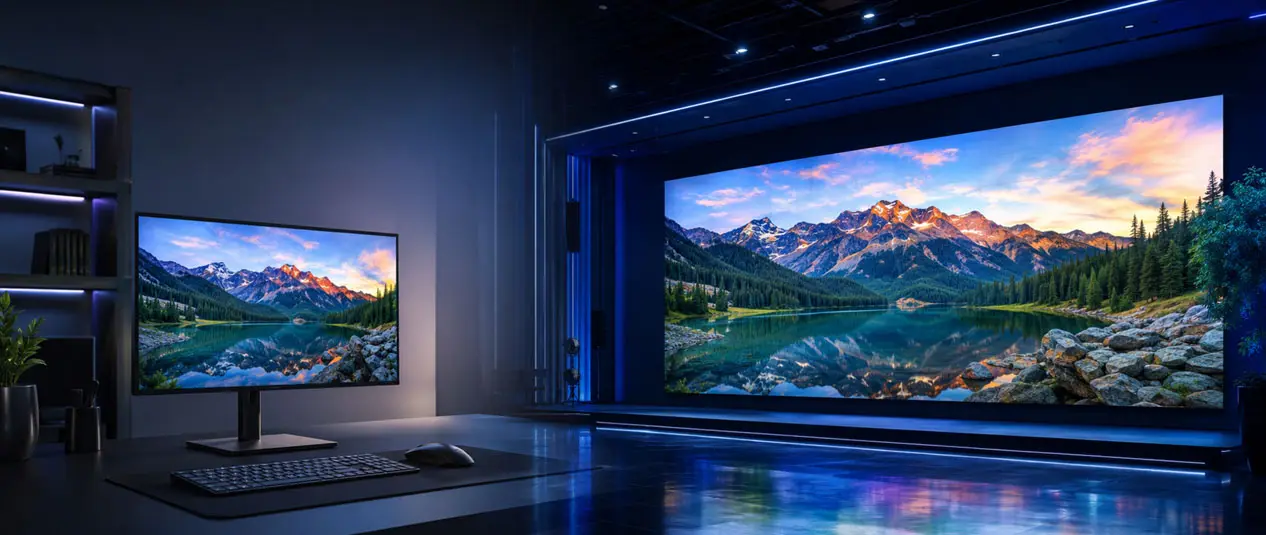
LED ディスプレイ画面は優れた明るさを提供します, 鮮やかな色, そして高解像度, 図などの複雑な情報を表現するのに最適です。, チャート, とビデオ. この機能により、学生は, 大きな講堂でも, 内容がはっきりと見える.
2. インタラクティブ性:
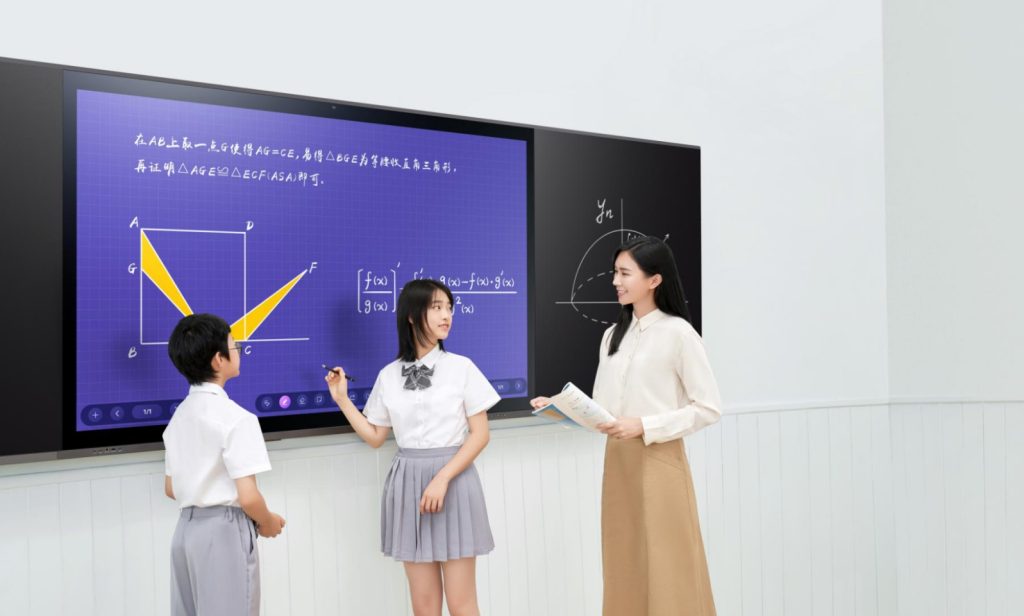
多くの統合 LED スクリーンにはタッチセンサー機能が装備されています, インタラクティブな学習体験を可能にする. 教師は画面上で直接注釈を付けることができます, クイズを実施する, 学生をグループ活動に参加させます, アクティブな学習環境を促進する.
3. 耐久性とエネルギー効率:
LED テクノロジーは耐久性とエネルギー効率で知られています. これらのスクリーンは寿命が長く、従来のプロジェクターや他のディスプレイ技術と比べて消費電力が大幅に少なくなります。.
4. 接続性と互換性:
統合された LED ディスプレイ画面はさまざまな接続オプションをサポートします, Wi-Fiを含む, HDMI, とUSB, ラップトップとのシームレスな統合を可能にする, 錠剤, およびその他のデバイス. 一般的な教育ソフトウェアや学習管理システムとも互換性があります。.
5. 省スペース設計:
オールインワン設計により、プロジェクターなどの追加のハードウェアが不要になります。, ホワイトボード, または外部スピーカー. このコンパクトなフォームファクターにより、あらゆる規模の教室での設置と保守が容易になります。.
教育分野での応用
統合型 LED ディスプレイ スクリーンは、教育業界でさまざまな用途に使用されています。, 幼稚園から高校までの学校から高等教育機関、企業の研修環境に至るまで. 主な使用例には次のようなものがあります。:
1. インタラクティブな教室:
小中学校では, これらの画面は、マルチメディア プレゼンテーションを通じて生徒の関心を引くインタラクティブなレッスンを作成するために使用されます。, ゲーム化された学習モジュール, と連携活動. 例えば, 生物学の教師は 3D アニメーションを使用して、人間の心臓の構造を鮮明に詳細に示すことができます.
2. 講堂と講堂:
大学やカレッジでは, 講義を行うために、従来のプロジェクターに代わって大型 LED スクリーンが使用されています。, プレゼンテーション, そしてセミナー. 優れた画質と広い視野角により、会場にいるすべての生徒が平等にコンテンツにアクセスできるようになります。.
3. 仮想学習とハイブリッド学習:
リモート学習モデルとハイブリッド学習モデルの台頭により, 統合された LED スクリーンによりビデオ会議が可能になり、仮想教室が容易になります, オンライン評価, リアルタイムのコラボレーション. また、対面の生徒とオンラインの生徒の間の橋渡しとしても機能します。, 包括性の確保.
4. トレーニングと専門能力開発:
企業研修や社会人教育において, これらの画面は魅力的なワークショップを提供するために使用されます, シミュレーション, ロールプレイング演習. 例えば, 営業トレーニング プログラムでは、画面のインタラクティブ性を活用して、リアルタイムのロールプレイング シナリオを実施できます。.
5. STEM およびコーディング ラボ:
STEM ラボやコーディング センターなどの専門的な学習環境で, 統合された LED スクリーンにより、プログラミング出力を表示することで実践的な学習が可能になります, 科学実験, データの視覚化.
教育と学習への影響
教育における LED ディスプレイ画面の統合は、教育と学習の両方に大きな影響を与えます。. Teachers benefit from the ease of content delivery and the ability to incorporate diverse teaching materials, including videos, アニメーション, and real-time data. This versatility enables educators to cater to different learning styles, such as visual, auditory, and kinesthetic learners.
Students, 一方, enjoy a more engaging and immersive learning experience. The interactivity of LED screens encourages active participation, critical thinking, and problem-solving skills. かつ, the technology bridges the digital divide by exposing students to advanced tools that prepare them for the technology-driven workforce.
課題と考慮事項
Despite their numerous advantages, the implementation of integrated LED display screens is not without challenges. Schools and institutions must address several considerations to maximize their benefits:
1. 費用:
一体型 LED スクリーンの購入と設置のための初期投資は多額になる可能性があります, 特に予算が限られている教育機関にとっては. しかし, メンテナンスとエネルギーコストの長期的な節約により、この初期費用を相殺できます。.
2. 教育者向けトレーニング:
LEDスクリーンの性能を最大限に活かすために, 教師と管理者には適切なトレーニングが必要です. 専門能力の開発には追加の時間とリソースが必要になる場合があります.
3. 技術サポートとメンテナンス:
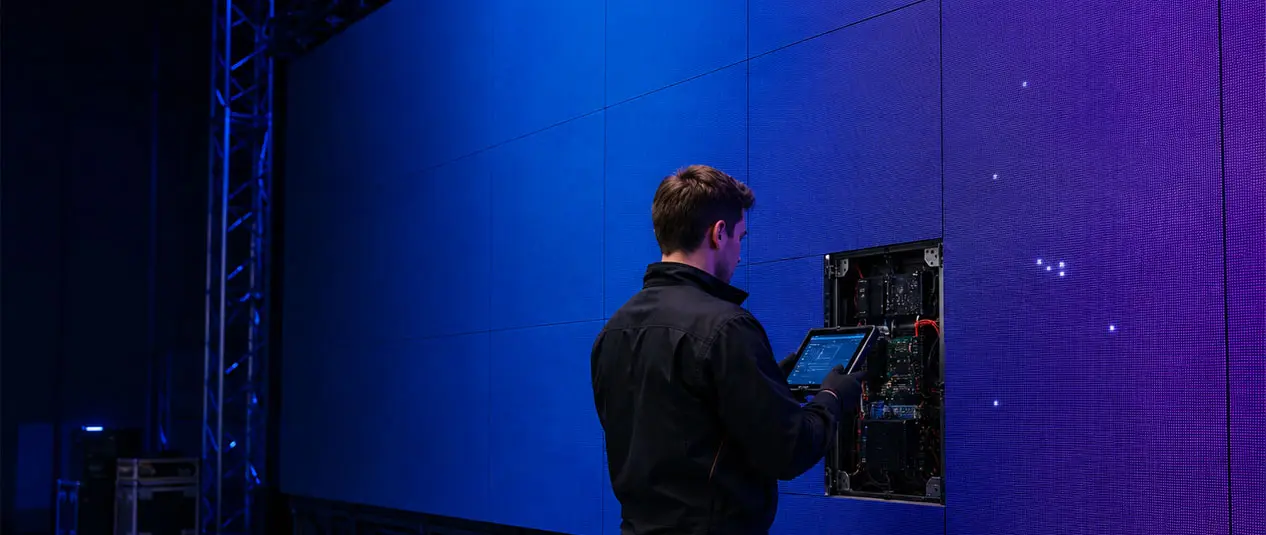
スクリーンがスムーズに機能するためには、定期的なメンテナンスと技術サポートが不可欠です。. ダウンタイムを最小限に抑えるために、教育機関は信頼できるサポート サービスにアクセスできる必要があります。.
4. デジタルエクイティ:
LED スクリーンが学習を強化しながら, すべての機関がそれらを導入する余裕がない場合、その導入によりデジタル格差が拡大する可能性があります. 政府と政策立案者は、恵まれない学校へのアクセスを確保するために公平な分配を考慮する必要がある.
今後の展望
テクノロジーが進化し続けるにつれて, 一体型 LED ディスプレイ スクリーンはさらに高度になり、手頃な価格になる可能性があります。. 拡張現実などの新たなトレンド (AR) そして人工知能 (ai) 統合により、機能がさらに強化される可能性が秘められています. 例えば, AR 対応の LED スクリーンを使用すると、学生が仮想的に史跡を探索したり、模擬環境で化学実験を行ったりできる可能性があります。.
さらに, 持続可能性とエネルギー効率の高い設計の進歩により、これらのスクリーンはより環境に優しいものになります, 教育におけるより環境に優しいテクノロジーを求める世界的な動きに合わせて.
結論
統合型 LED ディスプレイ スクリーンは教育業界に変革をもたらす力を表します, 伝統的な教育方法と最新のデジタルツールの間のギャップを埋める. インタラクティブ性を高めることで, コンテンツ配信の改善, そして包括性を促進する, これらのスクリーンは、知識の伝達と吸収の方法に革命をもたらす可能性を秘めています。. しかし, 導入の成功は慎重な計画にかかっています, 十分な訓練, そして公平なアクセス. 教育がデジタル変革を受け入れ続ける中, 統合された LED ディスプレイ画面は、間違いなく学習の未来を形作る上で中心的な役割を果たすでしょう。.
