


 Дом » Блог » Комупионные новости »
2026-04-24



Гибкая технология светодиодного дисплея изменил способ проектирования и установки современных визуальных экранов. В отличие от традиционных жестких светодиодных панелей, гибкий светодиодный модуль способен сгибаться, изгиб, и адаптироваться к различным поверхностям без потери качества отображения. Это делает его идеальным выбором для творческих инсталляций., изогнутые стены, цилиндрические сита, сценические фоны, розничная вывеска, и индивидуальные архитектурные проекты.
По мере роста спроса на более динамичные и компактные решения для отображения, все больше покупателей ищут такие термины, как гибкий светодиодный модуль., гибкий светодиодный дисплей на печатной плате, Структура светодиодного модуля, Материалы светодиодного дисплея, и технология мягких светодиодных модулей. Понимание того, как построены эти модули, какие материалы они используют, и то, как работает технология, может помочь вам выбрать правильное решение для вашего проекта..
Что такое гибкий светодиодный модуль?
Гибкий светодиодный модуль представляет собой дисплейный блок с мягким и гибким основанием, поэтому его можно разместить на изогнутых или неровных поверхностях.. Вместо использования жесткой печатной платы, он использует гибкий слой схемы, который позволяет модулю скручиваться или изгибаться в определенном диапазоне.. Это дает дизайнерам и монтажникам гораздо больше свободы при создании уникальных форм светодиодных дисплеев..
Проще говоря, модуль по-прежнему работает как стандартный светодиодный блок. Он содержит светодиоды, схема, компоненты привода, и защитные слои. Основное отличие состоит в том, что его структура рассчитана на гибкость, а не на жесткость.. Вот почему гибкие светодиодные модули часто используются в проектах, где традиционные плоские светодиодные шкафы не могут удовлетворить проектные требования..
Гибкая структура светодиодного модуля
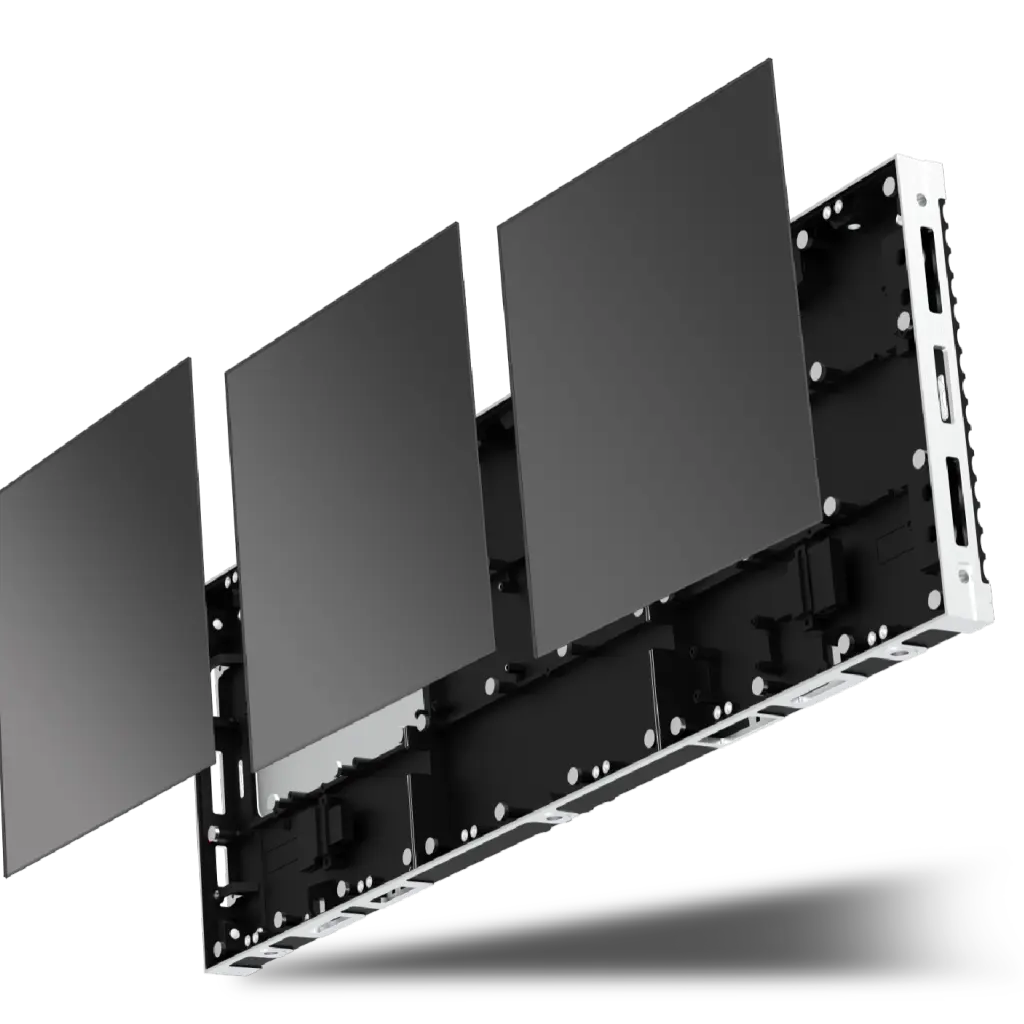
Структура светодиодного модуля является одним из наиболее важных факторов, влияющих на производительность., долговечность, и удобство установки. Высококачественный гибкий светодиодный модуль обычно включает в себя несколько ключевых слоев и компонентов..
Первая часть — это сама светодиодная лампа.. Это видимые светодиоды, которые создают изображение.. Светодиоды должны быть расположены точно, чтобы поддерживать постоянную яркость., точность цветопередачи, и качество просмотра.
Вторая часть — гибкая печатная плата.. Это основа модуля.. В гибком светодиодном дисплее на печатной плате, Печатная плата изготовлена из сгибаемых материалов, которые могут выдерживать многократное формование, не растрескиваясь.. По сравнению с жесткой доской, эта структура позволяет модулю более естественно следовать кривым.
Третья часть — защитный слой поверхности.. Этот слой помогает защитить светодиоды и схему от пыли., влага, и легкое физическое воздействие. Он также поддерживает равномерную светоотдачу и стабилизирует форму модуля..
Еще одним важным элементом является магнитная или крепежная система.. Многие гибкие светодиодные модули предназначены для быстрой установки., особенно на экранах нестандартной формы. Надежный метод фиксации помогает сохранить модуль гладким и ровным после изгиба..
Вместе, эти части создают систему отображения, которая обеспечивает баланс гибкости, качество изображения, и долгосрочная стабильность.
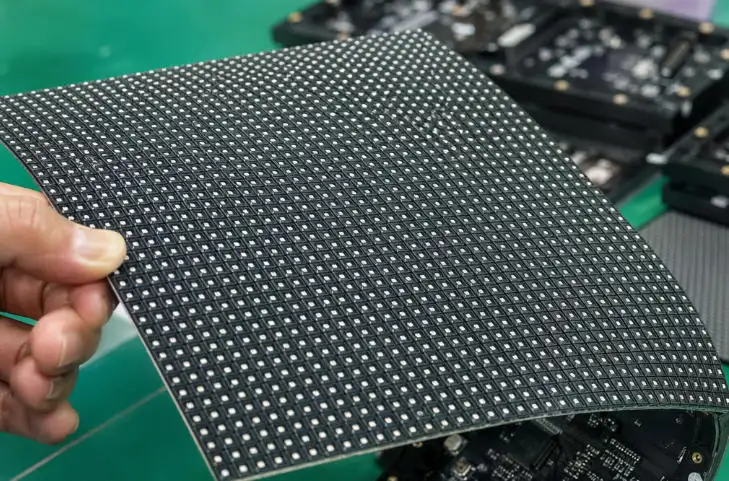
Основные материалы светодиодного дисплея, используемые в гибких модулях
Выбор материалов светодиодного дисплея напрямую влияет на производительность модуля.. Материалы определяют, сможет ли экран правильно сгибаться, эффективно рассеивать тепло, и остаются прочными при длительном использовании.
Одним из наиболее важных материалов является гибкая подложка схемы.. Обычно он изготавливается из материалов, которые обеспечивают как электрическую стабильность, так и механическую гибкость.. Он должен поддерживать передачу сигнала, позволяя плате изгибаться..
Паяльная маска и защитное покрытие также важны.. Эти материалы помогают предотвратить повреждение поверхности схемы и повысить устойчивость к воздействиям окружающей среды..
Для внешней структуры, часто отдаются предпочтение легким и термостойким материалам.. Они помогают снизить общий вес модуля и повысить безопасность установки.. Во многих конструкциях, каркас модуля также должен работать с мягкой конструкцией без снижения гибкости.
Светодиодные чипы сами по себе являются еще одним важным фактором материала.. Высококачественные чипы обеспечивают лучшую яркость, более низкое энергопотребление, и более длительный срок службы. В гибком светодиодном модуле, чипы также должны быть достаточно стабильными, чтобы выдерживать небольшое движение или искривление доски..
Клеи, разъемы, и материалы для обработки поверхности также способствуют конечному качеству. Неправильный выбор материала может привести к неравномерному изгибу., слабая передача сигнала, или сокращение срока службы экрана.
Как работает технология мягких светодиодных модулей
Технология модулей Soft LED призвана сочетать гибкость с высокой производительностью дисплея.. Основная идея состоит в том, чтобы позволить модулю сгибаться, сохраняя при этом электронные компоненты функциональными и надежными..
Эта технология зависит от тщательно спроектированных схем.. Пути проводки внутри модуля спроектированы так, чтобы выдерживать движение и деформацию.. Это означает, что электрические сигналы остаются стабильными, даже когда экран изогнут..
Еще одной важной частью технологии мягких светодиодных модулей является использование точных производственных процессов.. Поскольку доска гибкая, расстояние, пайка, и размещение компонентов должно контролироваться очень точно. Даже небольшие ошибки могут повлиять на постоянство яркости или выравнивание дисплея..
Управление теплом также является важной частью технологии.. Гибкие модули не должны перегреваться, поскольку повторяющиеся изгибы и компактная установка могут создать дополнительную нагрузку на систему.. Хорошая тепловая конструкция помогает поддерживать стабильную работу в течение длительного времени..
Кроме того, Модули мягких светодиодов часто используют передовые системы калибровки и драйверов для обеспечения плавного вывода изображения.. Это помогает экрану отображать четкое изображение без искажений., даже при установке на неровные поверхности.
Преимущества гибких светодиодных дисплеев на печатной плате
Гибкий светодиодный дисплей на печатной плате предлагает несколько основных преимуществ по сравнению с традиционными жесткими системами отображения..
Первое преимущество – свобода дизайна. изогнутый, волнообразный, круговой, и становятся возможными нестандартные формы дисплея. Это чрезвычайно ценно для креативной рекламы и современной архитектуры..
Второе преимущество – меньший вес.. Поскольку в гибких модулях часто используются более тонкие и адаптируемые материалы., они позволяют снизить общую нагрузку на монтажную конструкцию.
Третье преимущество — более простая настройка.. Гибкие модули можно адаптировать к различным проектам и размерам более эффективно, чем стандартные панели..
Четвертое преимущество – визуальное воздействие. Изогнутый или фигурный дисплей часто привлекает больше внимания, чем простой плоский экран.. Это может быть особенно полезно в розничной торговле., выставка, развлечение, и витрины бренда.
Пятое преимущество – лучшая космическая адаптация.. Когда стена или конструкция не идеально ровные, гибкий светодиодный модуль может сидеть более естественно и создавать более чистый окончательный вид.
Где используются гибкие светодиодные модули
Гибкие светодиодные модули широко используются в проектах, требующих визуального творчества и гибкости установки.. Общие области применения включают торговые центры., сценические фоны, выставочные стенды, торговые витрины, диспетчерские, музеи, и тематические коммерческие помещения.
Они также популярны в архитектурном декоре., где экран должен следовать за столбцами, изогнутые стены, или специальные конструкции. В развлекательных заведениях, они помогают создавать захватывающую визуальную среду, которую традиционные светодиодные панели не могут легко достичь..
Для наружных или полуоткрытых проектов, конструкция модуля должна соответствовать правильному уровню защиты и способу установки.. В этих случаях, качество материала и инженерная точность становятся еще более важными.
Что следует учитывать перед выбором гибкого светодиодного модуля
Не все гибкие светодиодные модули построены одинаково.. При выборе одного, важно смотреть на диапазон изгиба, шаг пикселя, яркость, частота обновления, и проектирование технического обслуживания.
Также следует обратить внимание на качество материалов светодиодного дисплея.. Лучшие материалы обычно означают лучшую стабильность., более высокая гибкость, и более длительный срок службы.
Структура модуля должна быть проверена на плавность установки и надежность изгиба.. Плохо спроектированный модуль может сначала выглядеть гибким, но после установки создавать неровные поверхности или искажение изображения..
Кроме того, важно спрашивать о производственном процессе, контроль качества, и послепродажная поддержка. Поскольку гибкие дисплеи часто используются в нестандартных проектах, техническая поддержка может иметь большое значение во время установки и эксплуатации.
Будущее технологии гибких светодиодных дисплеев
Гибкая технология светодиодного дисплея продолжает быстро развиваться. Производители делают упор на более тонкие конструкции., улучшенные характеристики изгиба, более низкое энергопотребление, и лучшая визуальная согласованность.
По мере совершенствования технологии модулей мягких светодиодов, мы можем ожидать более творческого применения в коммерческих помещениях., сценический дизайн, цифровое искусство, и умная архитектура. Будущие модули могут стать еще легче, более прочный, и проще устанавливать на сложные поверхности.
Для предприятий, которым требуется современное решение для отображения, гибкий светодиодный модуль больше не является просто специальным продуктом. Оно становится важной частью следующего поколения цифровых визуальных коммуникаций..
Гибкий светодиодный модуль сочетает в себе усовершенствованную структуру, тщательно отобранные материалы, и умное проектирование для создания адаптируемой и мощной системы отображения.. От гибкого основания светодиодного дисплея на печатной плате до высокопроизводительных светодиодов и защитных слоев., каждая часть модуля играет роль в качестве и надежности изображения.
Понимание структуры светодиодного модуля, Материалы светодиодного дисплея, Технология мягких светодиодных модулей может помочь покупателям принимать более обоснованные решения для индивидуальных проектов., коммерческие установки, и креативные визуальные приложения. Поскольку требования к дисплеям продолжают меняться, гибкие светодиодные решения останутся одним из наиболее ценных вариантов современного визуального дизайна..
