Flexible LED Module Explained: Structure, Materials, and Technology
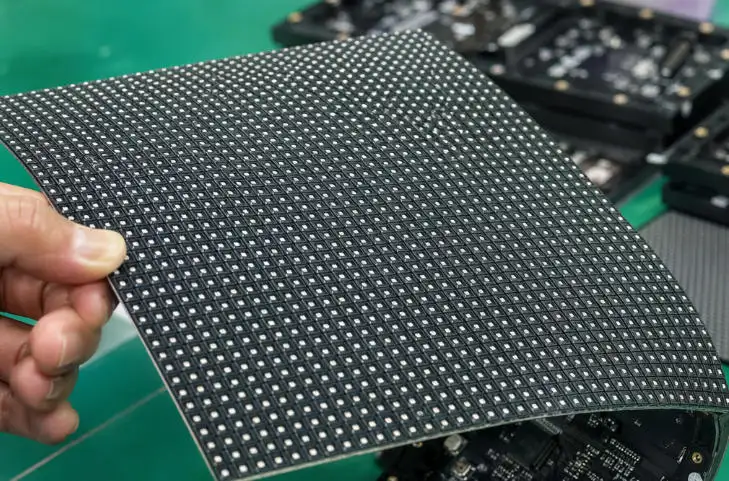
Flexible LED display technology has changed the way modern visual screens are designed and installed. Unlike traditional rigid LED panels, a flexible LED module is built to bend, curve, and adapt to different surfaces without losing display quality. This makes it an ideal choice for creative installations, curved walls, cylindrical screens, stage backdrops, retail signage, and custom architectural projects. As demand grows for more dynamic and space-efficient display solutions, more buyers are searching for terms like flexible LED module, flexible PCB LED display, LED module structure, LED display materials, and soft LED module technology. Understanding how these modules are built, what materials they use, and how the technology works can help you choose the right solution for your project. What is a Flexible LED Module? A flexible LED module is a display unit designed with a soft and bendable base so it can fit curved or irregular surfaces. Instead of using a hard PCB board, it uses a flexible circuit layer that allows the module to twist or bend within a certain range. This gives designers and installers far more freedom when creating unique LED display shapes. In simple terms, the module still works like a standard LED unit. It contains LEDs, circuitry, driving components, and protective layers. The main difference is that its structure is designed for flexibility rather than stiffness. This is why flexible LED modules are often used in projects where traditional flat LED cabinets cannot meet the design requirements. Flexible LED Module Structure The LED module structure is one of the most important factors affecting performance, durability, and installation convenience. A high-quality flexible LED module usually includes several key layers and components. The first part is the LED lamp itself. These are the visible light-emitting diodes that create the image. The LEDs must be arranged with ...
Learn More