How to Choose a Flexible LED Display: A Practical Guide for Modern Projects
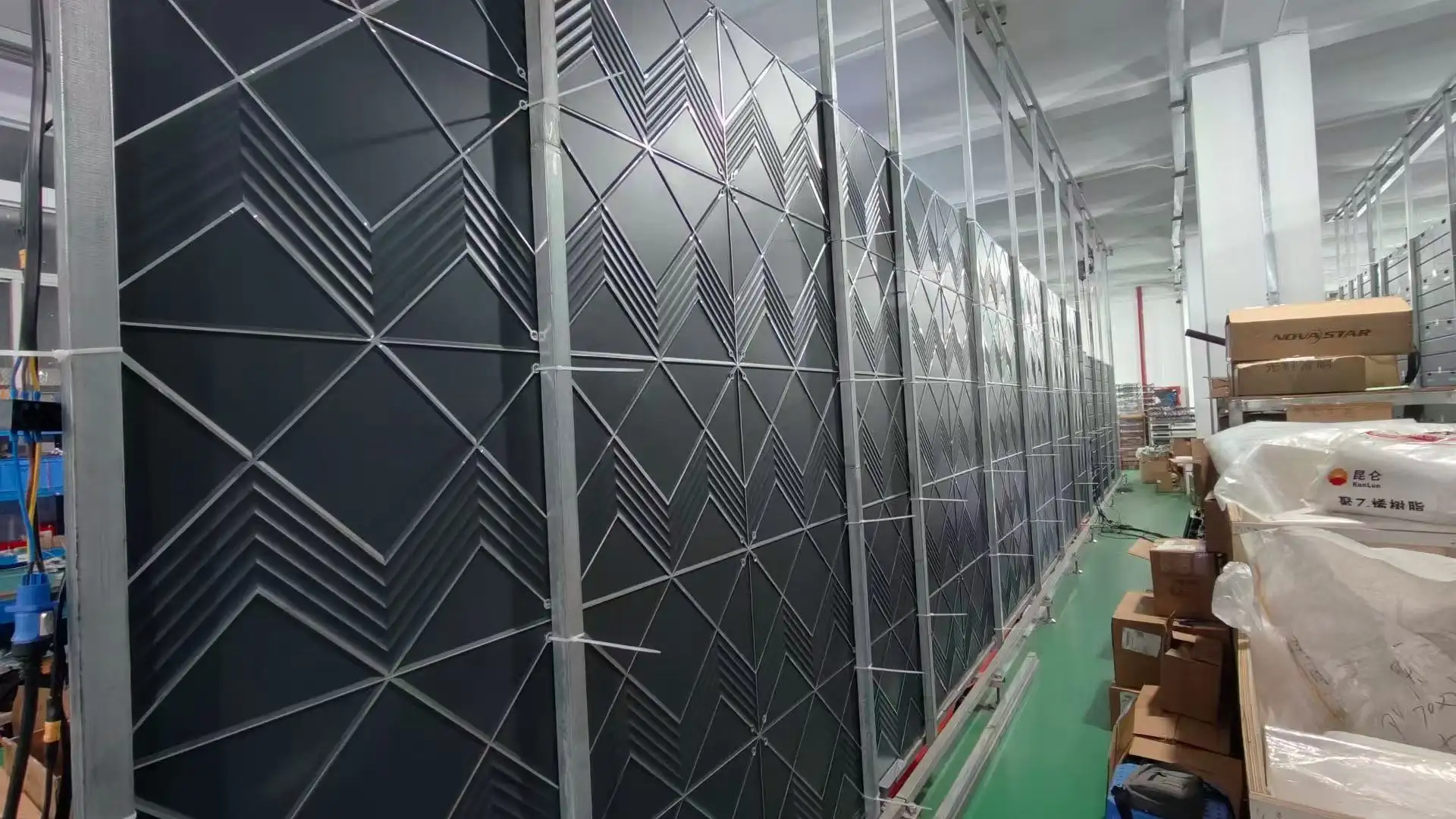
There’s a moment in almost every creative display project when a flat LED screen just isn’t enough. You need curves. Movement. Something that wraps around a column, flows across a wall, or becomes part of the architecture itself. That’s usually when people start searching for a flexible LED display, often without fully understanding what makes one solution work—and another fail six months later. I’ve seen projects where the screen looked stunning on day one and became a maintenance headache by month three. And I’ve seen others run flawlessly for years because the buyer made a few smart decisions early. This guide is about those decisions. Flexible LED Display Is Not About “Flexibility” Alone The biggest misconception is simple: people assume the more flexible the screen is, the better. That’s not how it works. A good flexible LED screen for custom installation needs to balance three things at the same time: Yes, it should bend—but it also needs to hold its shape, maintain pixel alignment, and survive transportation, installation, and daily use. Modern designs—especially those using flexible PCB materials and soft silicone bases—allow modules to bend significantly while still maintaining reliability. But the real question is: how controlled is that flexibility? Because uncontrolled flexibility leads to uneven surfaces, visible seams, and eventual failure. Where Flexible LED Displays Actually Make Sense Not every project needs a curved screen. But when it does, nothing else can replace it. The most common use cases today include: In these scenarios, buyers are often searching for terms like custom flexible LED display for retail, curved LED screen for stage design, or creative LED display solutions for commercial spaces. And the intention behind those searches is always the same:“I don’t want a screen. I want a visual experience.” The Technical Side Most Buyers Overlook Here’s where things ...
Learn More