All-in-One LED Displays: What Actually Matters (From Someone Who’s Seen Too Many Installs Go Wrong)
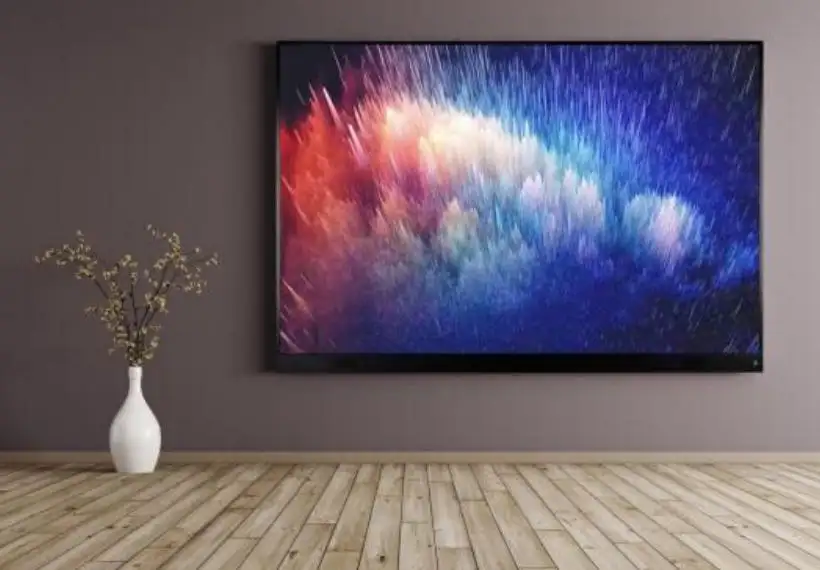
I’ve watched enough LED projects fall apart on-site to know one thing: the problem is rarely the screen itself. It’s the install. The wiring. The endless calibration. The last-minute surprises no one budgeted for. That’s exactly where all-in-one LED displays change the game. They’re not just a new product category. They’re a correction. A response to years of overcomplicated LED video wall solutions that looked great on paper and turned into a headache in real life. If you’re evaluating an integrated LED display system—whether for a meeting room, showroom, or commercial deployment—this is what actually matters. What Is an All-in-One LED Display (And Why It Exists) Strip away the marketing language, and it’s simple. An all-in-one LED display is a fully integrated LED display system where: …are already built into a single unit. No external boxes. No rack cabinets. No spaghetti wiring behind the wall. I like to describe it this way: A traditional LED wall is a construction project.An all-in-one LED display is a finished product. That difference alone is why more buyers are searching for terms like: They’re not just looking for better visuals. They’re looking for fewer problems. The Features That Actually Make a Difference 1. Real Integration (Not Just Marketing Talk) A lot of products claim to be “integrated.” Few actually are. With a proper all-in-one LED display, integration means: From what I’ve seen, this is where companies like LEDCHEER have focused their engineering—pushing high integration so the system behaves more like a single device, not a collection of parts. The payoff is obvious the moment you turn it on: it just works. 2. Plug-and-Play Isn’t a Buzzword—It’s a Time Saver I’m naturally skeptical of anything labeled “plug and play.” In LED, that phrase used to be a stretch. Here, it’s mostly accurate. You’re typically dealing ...
Learn More