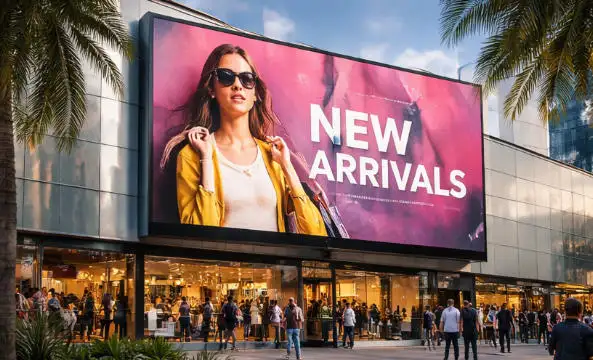
The Rise of DOOH Advertising: What Brands Are Really Getting Into
Walk through any major city today and you’ll notice something has quietly changed. Billboards aren’t static anymore. They move. They react. They feel… alive. This is DOOH advertising (digital out-of-home advertising)—and it’s not just a trend. It’s quickly becoming one of the most practical ways for brands to cut through the noise. I’ve worked around LED display projects and outdoor advertising systems long enough to see the shift happen in real time. What used to be a simple “put your logo on a billboard” game has turned into something far more strategic—and far more interesting. DOOH Isn’t Just Digital Billboards. It’s a Different Mindset. A lot of people still confuse digital out-of-home advertising with traditional OOH plus a screen. That’s not what’s happening. DOOH combines: A campaign can now change based on weather, time of day, or even traffic flow. That alone reshapes how brands think about visibility. And when you connect that with mobile retargeting or social media, DOOH stops being “offline advertising.” It becomes part of a full digital loop. Why Brands Are Putting More Budget Into DOOH There’s a reason DOOH marketing trends in 2025 keep pointing upward. 1. You Can’t Scroll Past It Online ads are easy to ignore. People skip, block, or scroll. A well-placed LED billboard advertising screen, though? You’re going to see it. That kind of forced visibility still matters—especially for brand awareness. 2. It Feels More Legit There’s an unspoken rule in marketing: If a brand shows up on a massive outdoor screen in a prime location, people take it more seriously. Compared to banner ads, digital billboard advertising carries weight. It signals scale. 3. Programmatic DOOH Is Catching Up Fast One of the biggest changes I’ve seen is the rise of programmatic DOOH. Media buyers can now: It’s starting to behave ...
Learn More