


2026-03-30



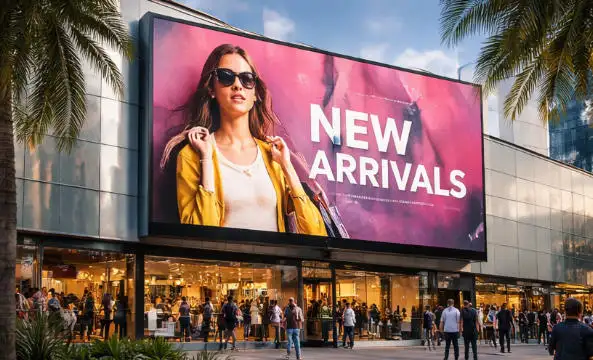
Walk through any major city today and you’ll notice something has quietly changed. Billboards aren’t static anymore. They move. They react. They feel… alive. This is DOOH advertising (digital out-of-home advertising)—and it’s not just a trend. It’s quickly becoming one of the most practical ways for brands to cut through the noise.
I’ve worked around LED display projects and outdoor advertising systems long enough to see the shift happen in real time. What used to be a simple “put your logo on a billboard” game has turned into something far more strategic—and far more interesting.
DOOH Isn’t Just Digital Billboards. It’s a Different Mindset.
A lot of people still confuse digital out-of-home advertising with traditional OOH plus a screen. That’s not what’s happening.
DOOH combines:
- Outdoor LED advertising screens
- Real-time data triggers
- Programmatic buying
- Content that can actually adapt to context
A campaign can now change based on weather, time of day, or even traffic flow. That alone reshapes how brands think about visibility. And when you connect that with mobile retargeting or social media, DOOH stops being “offline advertising.” It becomes part of a full digital loop.
Why Brands Are Putting More Budget Into DOOH
There’s a reason DOOH marketing trends in 2025 keep pointing upward.
1. You Can’t Scroll Past It
Online ads are easy to ignore. People skip, block, or scroll. A well-placed LED billboard advertising screen, though? You’re going to see it.
That kind of forced visibility still matters—especially for brand awareness.
2. It Feels More Legit
There’s an unspoken rule in marketing: If a brand shows up on a massive outdoor screen in a prime location, people take it more seriously. Compared to banner ads, digital billboard advertising carries weight. It signals scale.
3. Programmatic DOOH Is Catching Up Fast
One of the biggest changes I’ve seen is the rise of programmatic DOOH.
Media buyers can now:
- Book ad slots in real time
- Adjust creatives instantly
- Optimize based on performance
It’s starting to behave a lot like online ads—but with real-world impact.
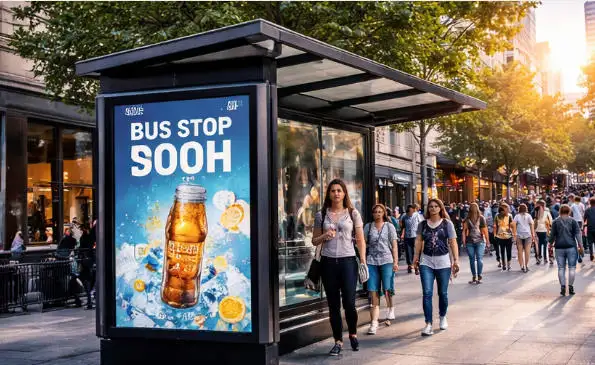
The Technology Behind It: LED Displays Are Doing the Heavy Lifting
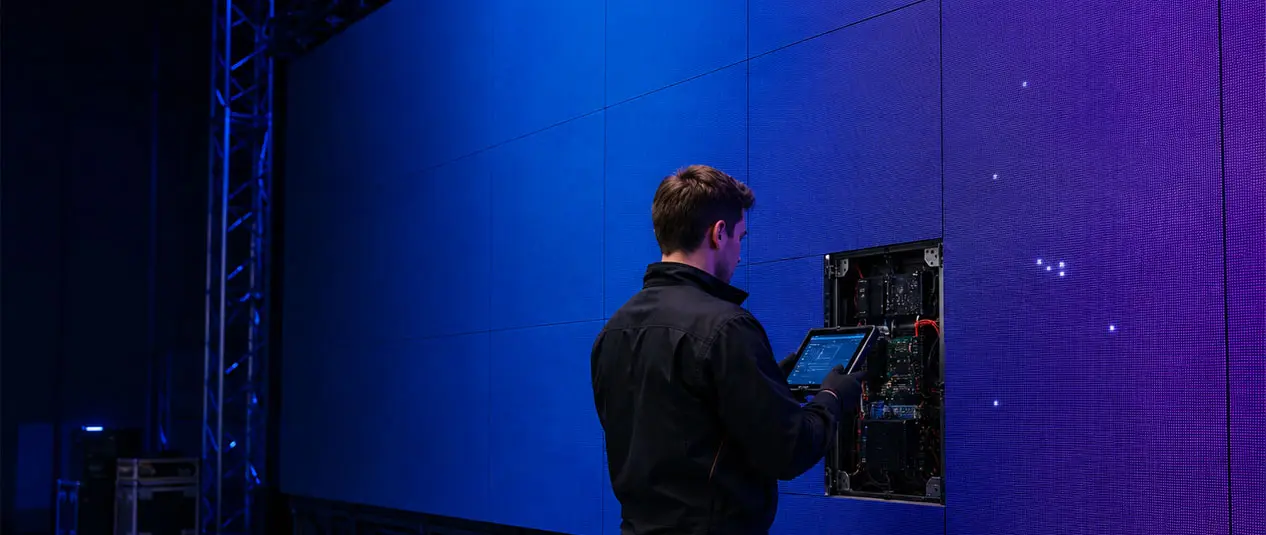
None of this works without the hardware. Behind every successful DOOH campaign is a reliable outdoor advertising LED display. And not all screens are equal.
From a practical standpoint, what really matters is:
- Brightness (can it fight sunlight?)
- Stability (can it run 24/7 without failure?)
- Color consistency (does the content actually look good?)
- Energy efficiency (because power costs add up fast)
This is where working with the right LED display manufacturer makes a difference.
Where LEDCHEER Fits Into This Picture
If you look at suppliers like LEDCHEER, you’ll notice they’re not just selling screens—they’re supporting the entire digital signage ecosystem. From what I’ve seen in their product lineup, they focus on:
- Outdoor LED display solutions designed for long-term advertising use
- Rental LED screens for events and temporary campaigns
- OEM/ODM LED display manufacturing, which is especially useful for media companies building their own networks
- Flexible configurations for both indoor and outdoor DOOH environments
For brands or operators sourcing from an OEM LED display supplier in China, this kind of flexibility matters more than people expect. Because once a screen is installed, you’re stuck with that decision for years.
What DOOH Actually Means for Brands
1. It’s Not a Replacement. It’s an Amplifier.
DOOH works best when paired with:
- Mobile ads
- Paid social
- Location-based targeting
A typical flow now looks like this:
- Someone sees your ad on a digital signage display
- Later, they get retargeted on their phone
- Conversion happens online
That connection is where the real value is.
2. Creative Matters More Than Ever
Here’s something people underestimate: Designing for outdoor LED advertising screens is completely different from designing for phones or desktops.
You have:
- 3–5 seconds of attention
- Varying viewing distances
- Bright outdoor conditions
Simple wins, clear message wins, Anything overdesigned gets ignored.
3. Location Is Still King
Even with all the tech, DOOH hasn’t changed one core rule:
Bad location = wasted budget.
The best-performing digital out-of-home advertising campaigns still rely on:
- High-traffic intersections
- Transit hubs
- Retail zones
Technology enhances placement. It doesn’t fix poor placement.
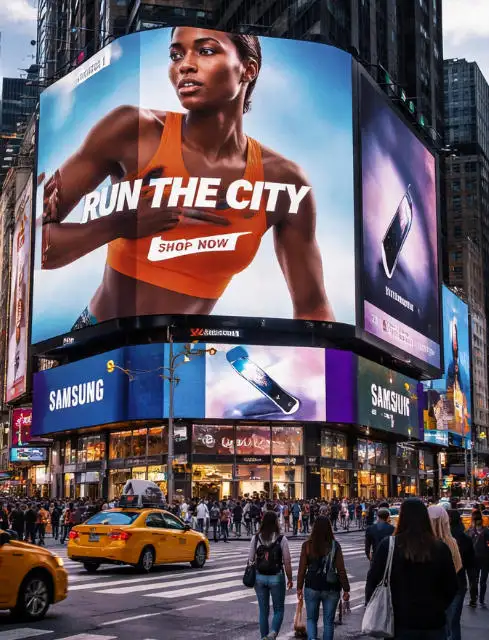
The Challenges (That People Don’t Always Talk About)
DOOH looks exciting—and it is—but it’s not frictionless.
Upfront Costs
Installing a high-quality LED billboard advertising system isn’t cheap.
Maintenance Reality
Outdoor screens deal with:
- Heat
- Dust
- Rain
- Continuous operation
This is why choosing a reliable outdoor LED display manufacturer matters more than chasing the lowest price.
Measurement Isn’t Perfect (Yet)
Yes, DOOH has improved tracking.
But it’s still not as clean as:
- Click-through rates
- Conversion pixels
Brands need to accept a mix of data + estimation.
Where DOOH Is Heading Next
From what I’m seeing across the industry, a few things are becoming clear:
Smarter Screens
AI-driven content that adapts in real time.
Greener Displays
Energy-efficient LED display solutions will become a requirement, not a bonus.
Deeper Integration
DOOH will connect more tightly with:
- Retail media
- E-commerce data
- Mobile ecosystems
DOOH advertising works because it does something digital ads struggle with:
It shows up in the real world—and it stays there.
No skipping. No blocking. No disappearing in a feed.
For brands willing to think beyond clicks and impressions, digital out-of-home advertising offers something more valuable: Presence.
And if that presence is powered by the right digital signage solutions and a dependable LED display supplier, it becomes a long-term asset—not just another campaign.
