


* THERE ARE 37 ARTICLES
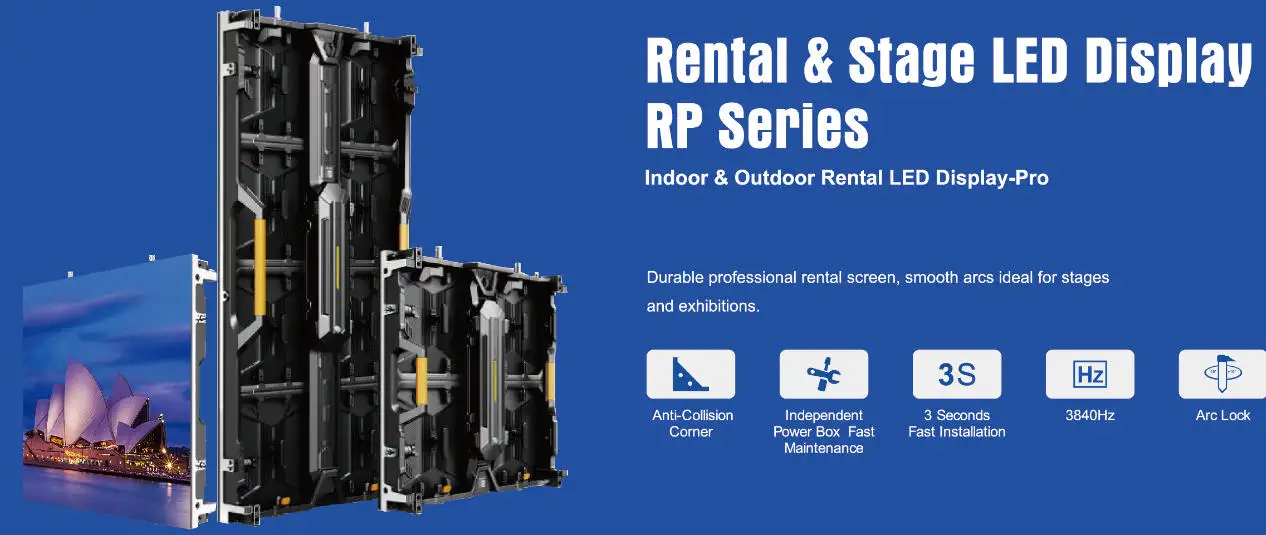
Rental & Stage LED Display RP Series – Built for Professional Events
- # Rental & Stage LED Display
In today's fast-paced event industry, every second matters. Whether you're organizing a large-scale concert, corporate conference, exhibition, sports event, or live broadcast, the LED display system must be reliable, easy to install, and capable of delivering exceptional visual performance. The RP Series Rental & Stage LED Display is specifically engineered for the rental market, combining lightweight cabinet design, rapid installation, creative curved configurations, and outstanding image quality. Designed for both indoor and outdoor applications, it offers event organizers and rental companies a dependable solution that performs under demanding conditions. Designed for Professional Rental Applications Unlike conventional fixed installation LED displays, rental LED screens require frequent transportation, assembly, and dismantling. The RP Series has been developed with these challenges in mind. Key design advantages include: The modular structure allows technicians to build large LED video walls quickly while maintaining perfect flatness and seamless image performance. Fast Installation Saves Time and Labor One of the biggest advantages of the RP Series is its 3-second quick locking mechanism. With independent power box maintenance and precision locking hardware, technicians can complete installation significantly faster than traditional rental cabinets. Benefits include: This makes the RP Series an excellent solution for rental companies that frequently manage multiple events every week. Flexible Creative Splicing for Stunning Visual Effects Modern stage design often requires more than a traditional flat LED wall. The RP Series supports multiple creative configurations including: The cabinet supports adjustable angle splicing, allowing installation angles of approximately: This flexibility enables designers to create immersive stage experiences that enhance audience engagement. Whether used in concerts, fashion shows, exhibitions, or television studios, creative curved displays provide greater visual impact than conventional rectangular screens. High Refresh Rate for Smooth Video Performance Visual quality is essential for professional stage productions. The RP Series features a 3840Hz high refresh rate, ...
By Cheer
2026-07-03
2026-07-03
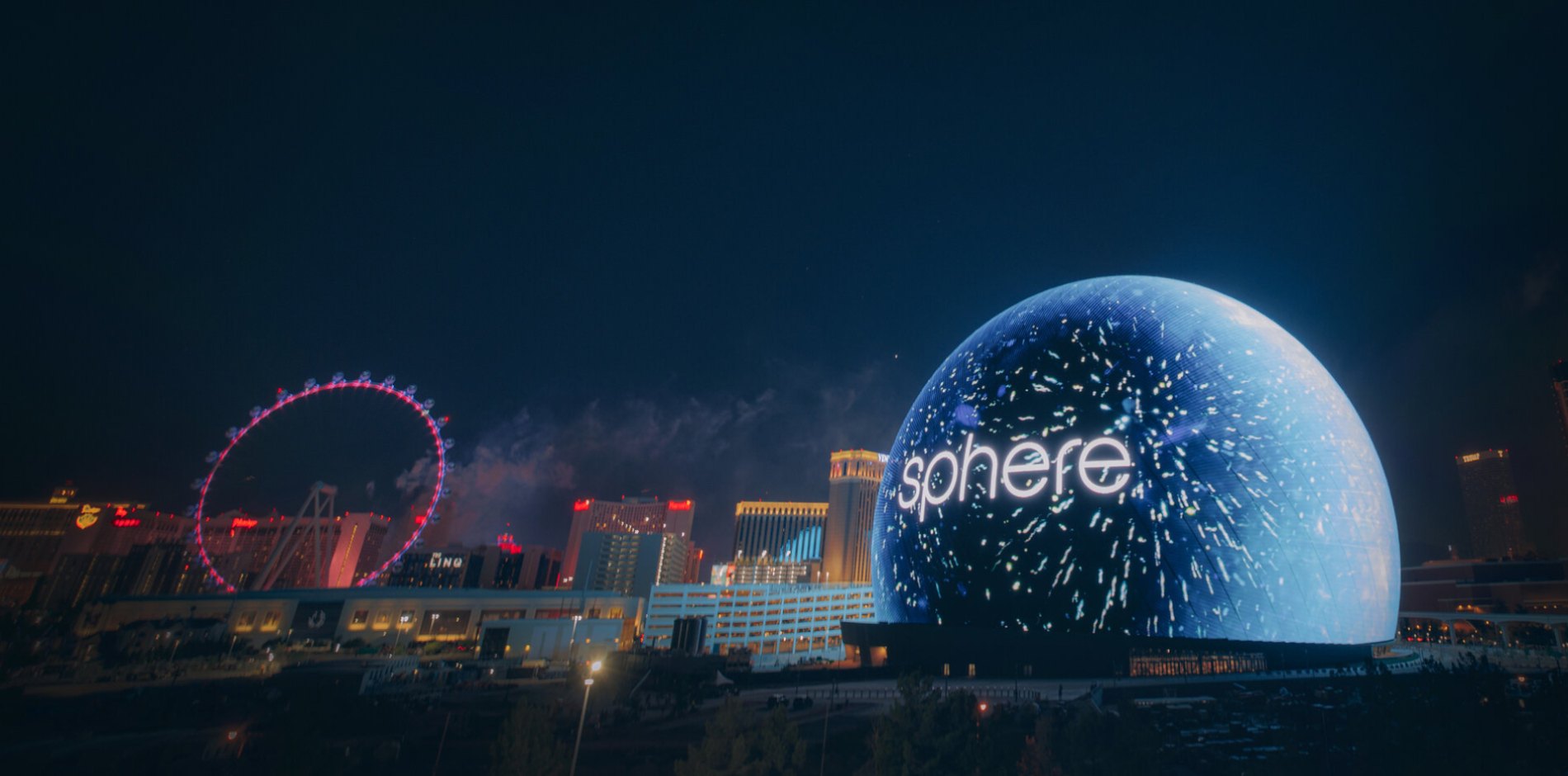
Sphere LED Display: The Complete Guide to 360° Creative LED Ball Screens
- # sphere LED display
What is a Sphere LED Display? A sphere LED display, also known as a spherical LED display or LED ball screen, is an innovative type of digital display that forms a complete three-dimensional sphere. Unlike traditional flat LED screens, it delivers 360-degree visibility, allowing content to be viewed from any angle without distortion. This unique structure transforms digital content into a fully immersive experience. Whether installed in a shopping mall atrium or suspended in an exhibition hall, a sphere LED display naturally draws attention and enhances spatial storytelling. Because of its striking visual impact, the sphere LED display has become a preferred solution for creative installations, brand experiences, and high-end commercial environments. How Does a Sphere LED Display Work? A sphere LED display is built using multiple flexible or specially designed LED modules that are assembled into a spherical structure. These modules are carefully engineered to maintain consistent brightness and color across curved surfaces. The system works through three key components: Unlike flat screens, content must be remapped into a spherical format, meaning designers often create custom animations or use specialized software to achieve seamless playback. The result is a smooth, continuous display surface capable of delivering dynamic visuals from every angle. Key Features to Look For in a Sphere LED Display When selecting a sphere LED display, several technical features directly impact performance and long-term reliability: 1. 360° Viewing Angle The defining advantage of a sphere LED display is its ability to provide full visibility from all directions, making it ideal for open spaces. 2. High Refresh Rate (e.g., 3840Hz) A high refresh rate ensures flicker-free visuals, especially important for video recording and live broadcasting environments. 3. Brightness Levels Indoor models typically require moderate brightness, while outdoor sphere LED displays need higher brightness to remain visible under sunlight. 4. ...
By Cheer
2026-05-05
2026-05-05
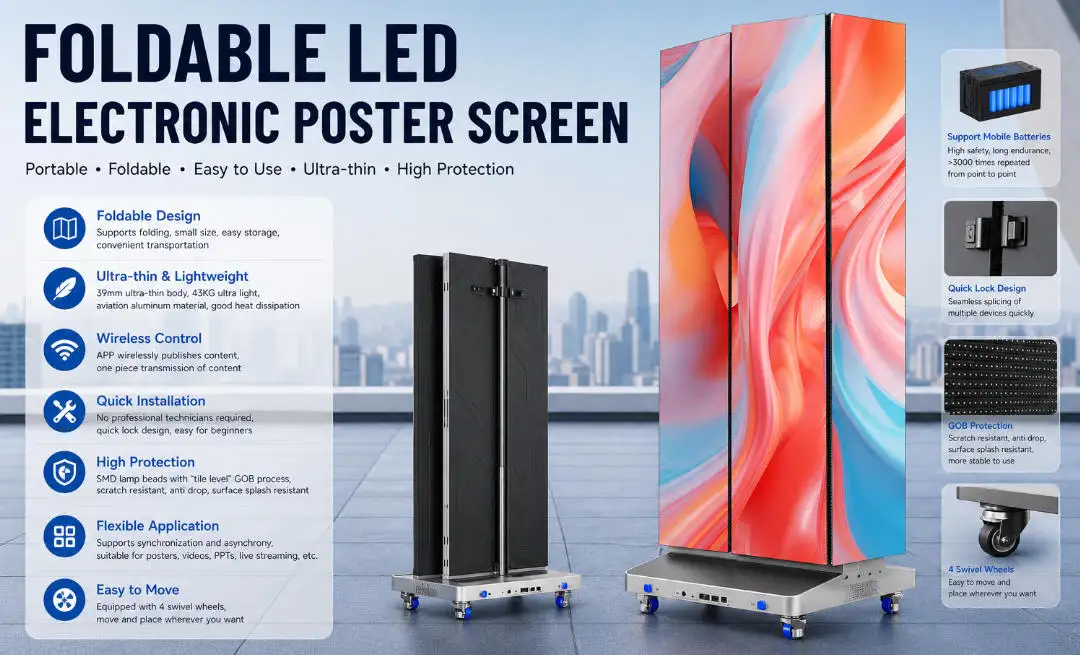
Foldable LED Electronic Poster Screen: A Smarter, More Portable Way to Present Content
- # foldable LED poster screen
As digital signage continues to evolve, businesses are looking for display solutions that are easier to move, faster to install, and more flexible to use. LEDCheer’s foldable LED electronic poster screen is designed for exactly that purpose. Built around user feedback and market research, it addresses some of the most common frustrations in the LED industry, including difficult installation, complicated debugging, and inconvenient transportation. LEDCheer positions itself as a Shenzhen-based LED display manufacturer with OEM/ODM support and a product lineup that includes Creative LED Display, Rental and Stage LED Display, DOOH LED display, and Commercial LED display. The company also emphasizes customized sizes, shapes, materials, and resolution, which aligns well with a highly adaptable product like a foldable poster screen. A Practical Answer to Real-World Display Problems Traditional LED displays can be powerful, but they are not always convenient. Some installations require professional technicians, complex setup steps, and time-consuming program adjustment. Transportation can also be a challenge, especially for international projects or businesses that need to move equipment frequently. The foldable LED electronic poster screen solves these pain points by focusing on portability, simplicity, and fast deployment. It is designed to be compact when stored, easy to carry, and quick to install on-site. For businesses that value speed and flexibility, this creates a major advantage. Designed for Mobility, Storage, and Lower Transport Cost One of the biggest strengths of this product is its foldable structure. Folding support makes the screen smaller in size, easier to store, and much more convenient to transport. That means fewer logistics headaches and better cost control, especially for cross-border shipping. This is especially valuable for:retail promotions, exhibition booths, conference venues, event organizers, and mobile marketing teams. The lightweight and portable design also helps reduce the pressure of moving large display equipment. Instead of treating the ...
By Cheer
2026-05-01
2026-05-01
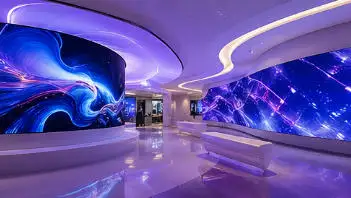
Future Trends in Flexible LED Display Technology and Creative Installations
- # creative LED display innovation
- # flexible LED display trends
Flexible LED display technology is moving far beyond traditional screen design. What was once seen mainly in large commercial advertising or stage backdrops is now becoming a core visual tool for architecture, retail, entertainment, exhibitions, and immersive brand experiences. As visual communication becomes more dynamic and space becomes more valuable, businesses are looking for next generation LED screen solutions that can do more than simply show content. They want displays that can bend, wrap, curve, suspend, and adapt to the environment. This shift is driving a new wave of flexible LED display trends that focus on design freedom, installation efficiency, visual impact, and interactive storytelling. In the coming years, the future of LED display technology will not only be defined by higher resolution or brightness, but also by how naturally LED screens can integrate into creative spaces. Flexible LED Displays Are Becoming a Design Medium In the past, LED screens were often treated as flat rectangular surfaces. Today, creative teams see them as architectural and artistic materials. This change is one of the most important flexible LED display trends because it expands how displays are used. Instead of fitting content into a screen, designers are now shaping the screen to fit the concept. Curved walls, columns, tunnels, rings, ceilings, and irregular structures are all becoming part of display design. Flexible modules make it possible to build immersive LED display solutions that transform a room into a visual environment. For brands, this means stronger engagement. For audiences, it means a more memorable experience. As a result, creative LED display innovation is no longer limited to special events. It is becoming a standard expectation in museums, retail stores, stage productions, showrooms, and experiential marketing spaces. The Demand for Immersive Experiences Will Keep Growing One of the strongest drivers behind the future of ...
By Cheer
2026-04-28
2026-04-28
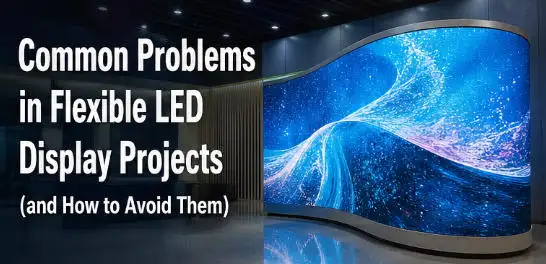
Common Problems in Flexible LED Display Projects (and How to Avoid Them)
- # flexible LED display
Flexible LED displays have become a popular choice for brands, exhibition designers, retail spaces, and creative installations. Their ability to bend, curve, and adapt to unique structures makes them ideal for projects that need a strong visual impact. But while the final result can look impressive, the process is not always simple. Many flexible LED display problems appear before the screen is even powered on. Others show up after installation, when the project is already live and costly to fix. From planning mistakes to maintenance issues, a curved LED display project can fail for very ordinary reasons if the details are not handled correctly. In this article, we will look at the most common LED screen installation issues, the typical LED display project mistakes, and the best ways to avoid them. Whether you are planning a large commercial installation or a smaller custom display, understanding these risks can save time, money, and frustration. Why Flexible LED Display Projects Need Special Attention A flexible LED display is not just a standard LED screen with a different shape. It requires careful planning in structure, module layout, power design, signal control, heat management, and installation accuracy. Because the screen is often curved, waved, cylindrical, or irregularly shaped, small errors can quickly become visible. This is why flexible LED display problems are often more difficult to solve than problems in a flat screen project. A tiny gap, uneven curve, or weak fixing point may not seem serious during setup, but it can affect viewing quality, stability, and long-term performance. 1. Wrong Project Planning Before Installation One of the most common LED display project mistakes is starting installation without a complete technical plan. Some teams focus only on the visual design and ignore the real requirements of the structure, power supply, control system, and maintenance ...
By Cheer
2026-04-25
2026-04-25
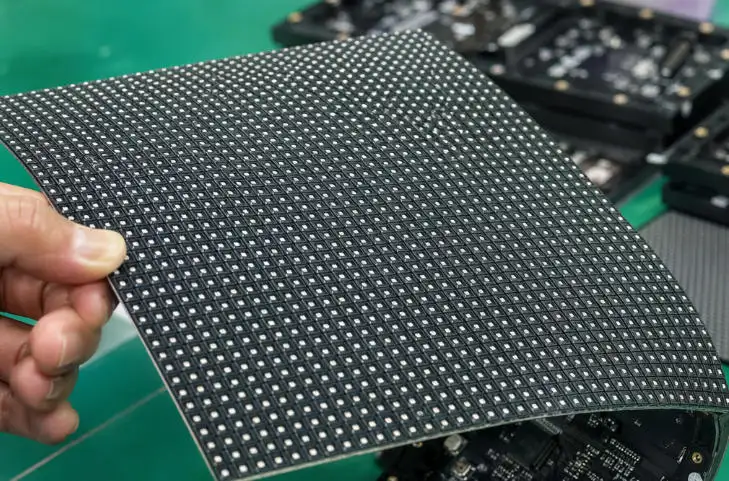
Flexible LED Module Explained: Structure, Materials, and Technology
- # Flexible LED Module
Flexible LED display technology has changed the way modern visual screens are designed and installed. Unlike traditional rigid LED panels, a flexible LED module is built to bend, curve, and adapt to different surfaces without losing display quality. This makes it an ideal choice for creative installations, curved walls, cylindrical screens, stage backdrops, retail signage, and custom architectural projects. As demand grows for more dynamic and space-efficient display solutions, more buyers are searching for terms like flexible LED module, flexible PCB LED display, LED module structure, LED display materials, and soft LED module technology. Understanding how these modules are built, what materials they use, and how the technology works can help you choose the right solution for your project. What is a Flexible LED Module? A flexible LED module is a display unit designed with a soft and bendable base so it can fit curved or irregular surfaces. Instead of using a hard PCB board, it uses a flexible circuit layer that allows the module to twist or bend within a certain range. This gives designers and installers far more freedom when creating unique LED display shapes. In simple terms, the module still works like a standard LED unit. It contains LEDs, circuitry, driving components, and protective layers. The main difference is that its structure is designed for flexibility rather than stiffness. This is why flexible LED modules are often used in projects where traditional flat LED cabinets cannot meet the design requirements. Flexible LED Module Structure The LED module structure is one of the most important factors affecting performance, durability, and installation convenience. A high-quality flexible LED module usually includes several key layers and components. The first part is the LED lamp itself. These are the visible light-emitting diodes that create the image. The LEDs must be arranged with ...
By Cheer
2026-04-24
2026-04-24
