


* THERE ARE 76 ARTICLES
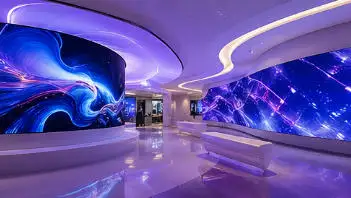
Future Trends in Flexible LED Display Technology and Creative Installations
- # creative LED display innovation
- # flexible LED display trends
Flexible LED display technology is moving far beyond traditional screen design. What was once seen mainly in large commercial advertising or stage backdrops is now becoming a core visual tool for architecture, retail, entertainment, exhibitions, and immersive brand experiences. As visual communication becomes more dynamic and space becomes more valuable, businesses are looking for next generation LED screen solutions that can do more than simply show content. They want displays that can bend, wrap, curve, suspend, and adapt to the environment. This shift is driving a new wave of flexible LED display trends that focus on design freedom, installation efficiency, visual impact, and interactive storytelling. In the coming years, the future of LED display technology will not only be defined by higher resolution or brightness, but also by how naturally LED screens can integrate into creative spaces. Flexible LED Displays Are Becoming a Design Medium In the past, LED screens were often treated as flat rectangular surfaces. Today, creative teams see them as architectural and artistic materials. This change is one of the most important flexible LED display trends because it expands how displays are used. Instead of fitting content into a screen, designers are now shaping the screen to fit the concept. Curved walls, columns, tunnels, rings, ceilings, and irregular structures are all becoming part of display design. Flexible modules make it possible to build immersive LED display solutions that transform a room into a visual environment. For brands, this means stronger engagement. For audiences, it means a more memorable experience. As a result, creative LED display innovation is no longer limited to special events. It is becoming a standard expectation in museums, retail stores, stage productions, showrooms, and experiential marketing spaces. The Demand for Immersive Experiences Will Keep Growing One of the strongest drivers behind the future of ...
By Cheer
2026-04-28
2026-04-28
Common Problems in Flexible LED Display Projects (and How to Avoid Them)
- # flexible LED display
Flexible LED displays have become a popular choice for brands, exhibition designers, retail spaces, and creative installations. Their ability to bend, curve, and adapt to unique structures makes them ideal for projects that need a strong visual impact. But while the final result can look impressive, the process is not always simple. Many flexible LED display problems appear before the screen is even powered on. Others show up after installation, when the project is already live and costly to fix. From planning mistakes to maintenance issues, a curved LED display project can fail for very ordinary reasons if the details are not handled correctly. In this article, we will look at the most common LED screen installation issues, the typical LED display project mistakes, and the best ways to avoid them. Whether you are planning a large commercial installation or a smaller custom display, understanding these risks can save time, money, and frustration. Why Flexible LED Display Projects Need Special Attention A flexible LED display is not just a standard LED screen with a different shape. It requires careful planning in structure, module layout, power design, signal control, heat management, and installation accuracy. Because the screen is often curved, waved, cylindrical, or irregularly shaped, small errors can quickly become visible. This is why flexible LED display problems are often more difficult to solve than problems in a flat screen project. A tiny gap, uneven curve, or weak fixing point may not seem serious during setup, but it can affect viewing quality, stability, and long-term performance. 1. Wrong Project Planning Before Installation One of the most common LED display project mistakes is starting installation without a complete technical plan. Some teams focus only on the visual design and ignore the real requirements of the structure, power supply, control system, and maintenance ...
By Cheer
2026-04-25
2026-04-25
Flexible LED Module Explained: Structure, Materials, and Technology
- # Flexible LED Module
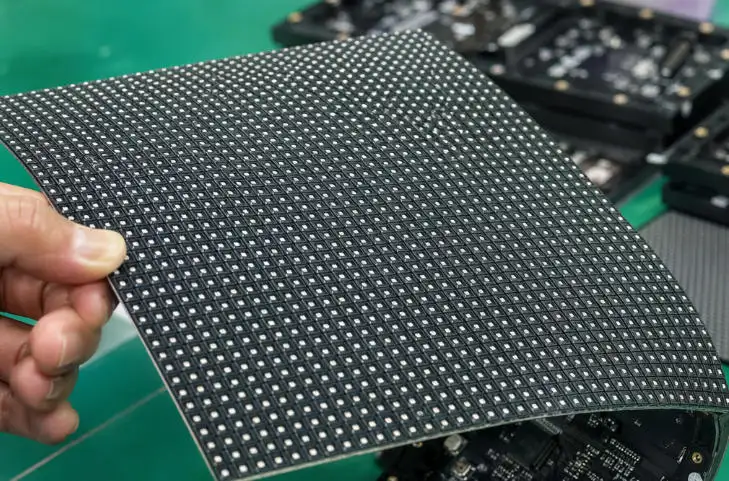
Flexible LED display technology has changed the way modern visual screens are designed and installed. Unlike traditional rigid LED panels, a flexible LED module is built to bend, curve, and adapt to different surfaces without losing display quality. This makes it an ideal choice for creative installations, curved walls, cylindrical screens, stage backdrops, retail signage, and custom architectural projects. As demand grows for more dynamic and space-efficient display solutions, more buyers are searching for terms like flexible LED module, flexible PCB LED display, LED module structure, LED display materials, and soft LED module technology. Understanding how these modules are built, what materials they use, and how the technology works can help you choose the right solution for your project. What is a Flexible LED Module? A flexible LED module is a display unit designed with a soft and bendable base so it can fit curved or irregular surfaces. Instead of using a hard PCB board, it uses a flexible circuit layer that allows the module to twist or bend within a certain range. This gives designers and installers far more freedom when creating unique LED display shapes. In simple terms, the module still works like a standard LED unit. It contains LEDs, circuitry, driving components, and protective layers. The main difference is that its structure is designed for flexibility rather than stiffness. This is why flexible LED modules are often used in projects where traditional flat LED cabinets cannot meet the design requirements. Flexible LED Module Structure The LED module structure is one of the most important factors affecting performance, durability, and installation convenience. A high-quality flexible LED module usually includes several key layers and components. The first part is the LED lamp itself. These are the visible light-emitting diodes that create the image. The LEDs must be arranged with ...
By Cheer
2026-04-24
2026-04-24
What Affects the Lifespan of a Flexible LED Display?
- # flexible LED display lifespan
- # LED screen durability
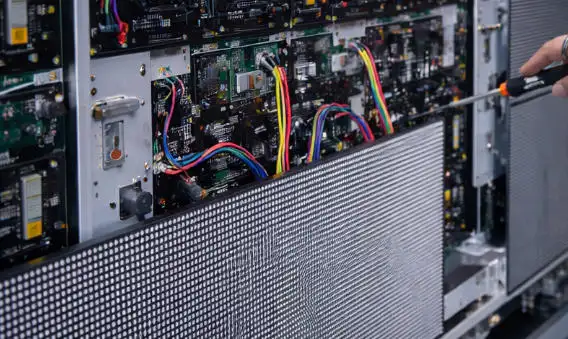
Flexible LED displays are designed to do more than look impressive. They need to stay bright, stable, and reliable over time, even when they are curved, installed in creative shapes, or used in demanding environments. That is why the real value of a display is not only in its visual performance on day one, but also in how long it can keep performing well. If you are comparing options for a commercial project, event installation, retail space, or creative stage design, understanding the factors behind flexible LED display lifespan can help you make a smarter choice. A well-built screen can deliver years of dependable use, while a poorly maintained one may lose brightness, develop dead pixels, or suffer from structural damage much sooner than expected. In this article, we will look at the main LED display reliability factors that affect service life, explain what reduces LED screen durability, and share practical LED display maintenance tips that can help you get a long life LED display solution for your business. Why Flexible LED Display Lifespan Matters A flexible LED display is often chosen for its design freedom. It can be curved, wrapped, installed on irregular surfaces, and adapted to different creative layouts. But that flexibility also means the product must balance thin materials, repeated bending stress, heat management, and stable electrical performance. When people ask about flexible LED display lifespan, they are really asking a larger question: how long will the screen stay bright, uniform, and safe to use without major repair costs? The answer depends on several technical and environmental factors. Some are related to product quality, while others depend on installation, operating habits, and maintenance. 1. LED Chip Quality The LED chip is one of the biggest factors affecting lifespan. High-quality chips usually provide better brightness stability, color consistency, ...
By Cheer
2026-04-23
2026-04-23
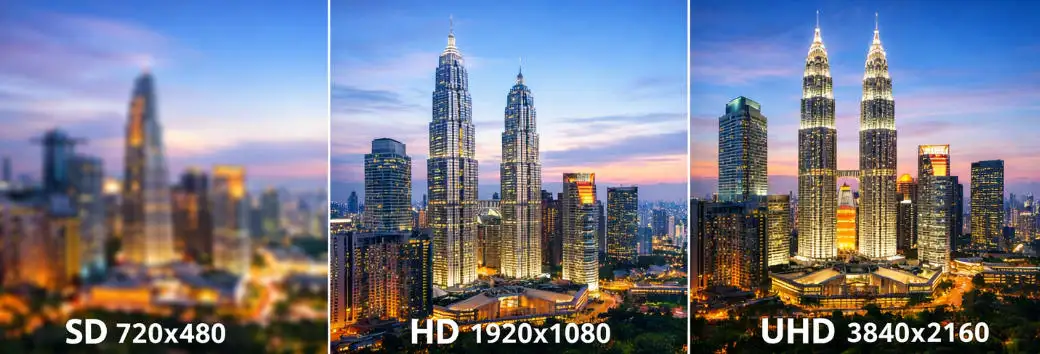
UHD vs HD vs SD: Which Resolution Is Best for Modern LED Displays?
- # HD vs SD
- # LED Displays
- # uhd vs hd
When people compare display screens, resolution is usually one of the first things they notice. UHD, HD, and SD are not just technical labels; they directly affect how clear text looks, how detailed images appear, and how professional your content feels on screen. In the source article, UHD is described as 3840×2160, HD as the familiar 1080p class, and SD as the older standard-definition level around 720×480. For today’s digital signage and LED display projects, resolution is more than a number on a spec sheet. A screen with better resolution can show sharper product images, cleaner fonts, and smoother motion, which is especially important in commercial environments where viewers may be standing close to the display or only passing by for a few seconds. What Do UHD, HD, and SD Mean? SD, or Standard Definition, is the oldest of the three formats and is generally associated with lower pixel counts and weaker image detail. It may still work in basic or legacy applications, but it is no longer ideal for modern advertising or premium visual presentation. HD, or High Definition, is the middle ground and remains the most practical choice for many business displays. It delivers noticeably better clarity than SD, while still keeping hardware and content delivery requirements more manageable than UHD. In the source article, HD is presented as the most common everyday option for commercial screens because it balances image quality and efficiency. UHD, or Ultra High Definition, is the highest of the three and is commonly used when visual detail matters most. With its much higher pixel count, UHD is better suited for premium advertising, large-format viewing, and content that needs to look vivid and refined from a distance. How the Three Formats Compare in Real Use The practical difference between SD, HD, and UHD becomes ...
By Cheer
2026-04-16
2026-04-16
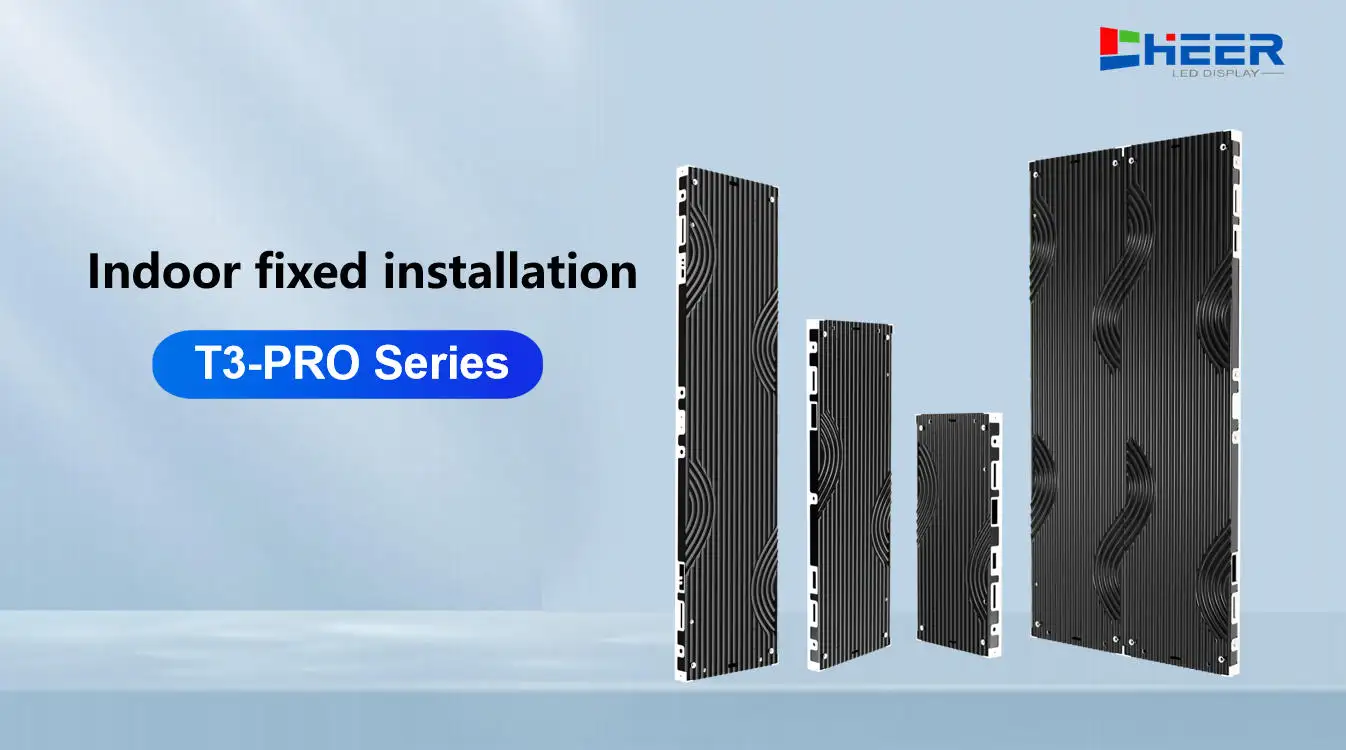
Top Chinese Manufacturers of Indoor Commercial Digital Display Screens
- # top LED display manufacturers China
China has emerged as a key player in the global scene for producing indoor commercial digital screens. From bustling malls and grand exhibition halls to bustling airports, plush hotels, sleek corporate lobbies, and sophisticated command centers, Chinese firms are at the forefront, offering a broad array of LED display options that excel in brightness, pixel precision, reliability, and adaptable setup. When companies are on the hunt for indoor digital displays, China's mix of manufacturing prowess, bespoke offerings, cost-effectiveness, and technological finesse is hard to beat. However, with an abundance of suppliers out there, selecting the right producer is just as crucial as picking the perfect screen. Why China Domines the Indoor Digital Display Sector China's indoor commercial display scene has really kicked into high gear over the past ten years. A plethora of manufacturers have poured money into R&D, set up automated assembly lines, implemented rigorous quality control measures, and adopted global certification protocols. These efforts have turned Chinese factories into producers of LED displays that can satisfy the needs of both cozy retail spaces and massive commercial endeavors. And let's not forget the biggie—the ability to tailor make. Leading Chinese manufacturers can typically offer customized options, taking into account pixel density, screen dimensions, cabinet styling, brightness needs, refresh rates, and the installation environment. This level of specificity is crucial, especially for indoor venues, where image crispness, viewing range, and seamless fit with the decor are non-negotiable. What Makes a Top Indoor Commercial Display Manufacturer A top-notch manufacturer isn't just a place that puts together screens; it's a business that's got the engineering and the commercial know-how down pat. When it comes to indoor display tech, they've got a few key traits up their sleeve. First off, they've got to keep the quality game strong. Indoor displays are on the ...
By Cheer
2026-04-15
2026-04-15
