


* THERE ARE 76 ARTICLES
Indoor vs Outdoor Flexible LED Displays: Key Differences and Selection Tips
- # indoor flexible LED display
- # Indoor vs Outdoor Flexible LED Displays
- # outdoor flexible LED screen
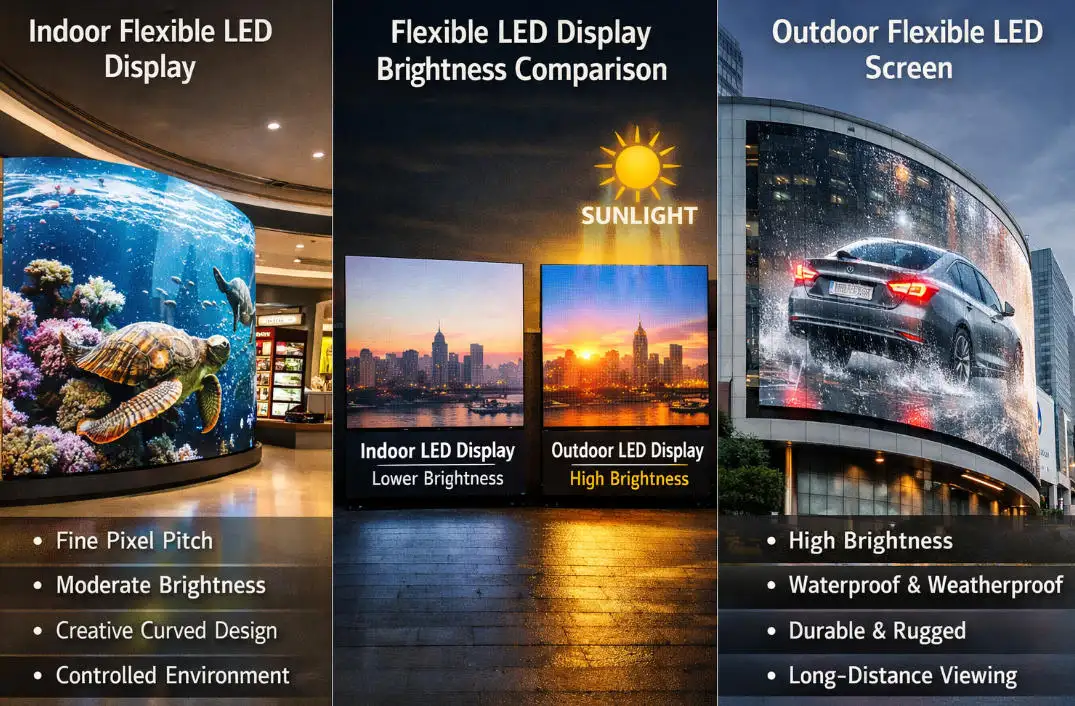
Flexible LED displays are changing the way brands design visual experiences. From curved retail walls to large-scale outdoor billboards, these screens offer creative freedom that traditional rigid panels simply cannot match. But here’s the reality most buyers overlook:An indoor flexible LED display and an outdoor flexible LED screen are built for completely different environments. Choosing the wrong type doesn’t just affect performance—it can shorten lifespan, increase maintenance costs, and ruin the visual effect of your project. This guide will walk you through the real differences and help you choose the right solution with confidence. A flexible LED display is a bendable LED screen built with soft PCB materials, allowing it to curve, wrap, or form creative shapes without damage. Unlike traditional flat screens, flexible LED displays are widely used in: Some modern solutions—like those from LEDCHEER—can even achieve up to 120° bending with ultra-thin modules, making them suitable for complex structures like columns or wave-shaped walls. Indoor Flexible LED Display: Designed for Visual Experience An indoor flexible LED display is optimized for controlled environments such as: Because these environments don’t face harsh weather or strong sunlight, indoor displays focus more on image quality and viewing comfort. Key Features: In indoor scenarios, viewers are often just a few meters away. That means clarity and detail matter more than extreme brightness. Outdoor Flexible LED Screen: Built for Performance An outdoor flexible LED screen is designed to survive real-world conditions—rain, dust, sunlight, and temperature changes. Typical applications include: Key Features: For example, some flexible LED modules use waterproof adhesives, sealed structures, and outdoor-rated cables to ensure stable operation even in harsh environments. Flexible LED Display Brightness Comparison One of the most critical differences is brightness. Indoor vs Outdoor: If brightness is mismatched: A proper flexible LED display brightness comparison is essential before making ...
By Cheer
2026-04-13
2026-04-13
Custom Flexible LED Displays: What OEM & ODM Buyers Need to Know
- # custom flexible LED display
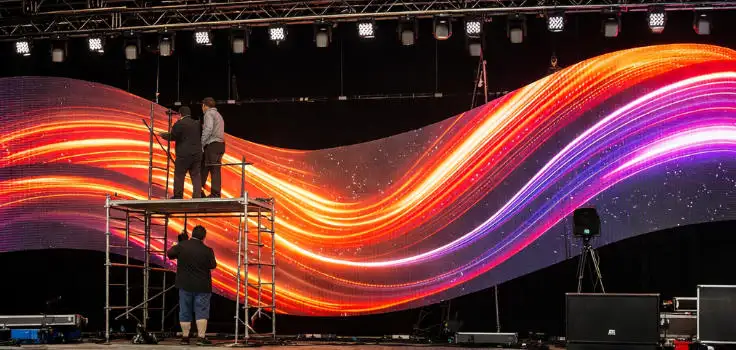
The market for digital display technology has changed fast. A few years ago, most buyers only cared about size, resolution, and brightness. Now, for brands, installers, event companies, and system integrators, the real question is different: can the display be customized to fit the project? That is exactly why the custom flexible LED display category is growing so quickly. These displays are no longer limited to flat, rigid boards. They can bend, curve, wrap, and adapt to creative installations that standard screens simply cannot handle. For buyers looking for a more tailored solution, the choice often comes down to working with an OEM flexible LED screen or an ODM LED display manufacturer that can deliver something built for a specific use case. If you are searching for a flexible LED display supplier China or comparing custom LED display solution options, this guide will help you understand what matters before you place an order. What Is a Custom Flexible LED Display? A custom flexible LED display is a display system designed to adapt to non-standard shapes, surfaces, or installation requirements. Unlike traditional rigid LED panels, flexible LED modules use a softer structure that allows the screen to curve or conform to a surface. This makes them useful in places where design matters just as much as performance. You might see them in retail stores, exhibition booths, stage backdrops, curved walls, control rooms, architectural installations, and immersive brand spaces. The word “custom” is important here. A custom flexible LED display is not a one-size-fits-all product. It may be adapted in terms of pixel pitch, curvature, cabinet size, module shape, installation method, brightness, refresh rate, or even the control system. Why Buyers Choose Flexible LED Displays There is a simple reason flexible LED technology keeps attracting attention: it creates visual impact. A flat ...
By Cheer
2026-04-12
2026-04-12
How Flexible LED Displays Are Used in Stage Design and Live Events
- # creative stage LED solutions
- # flexible LED screen for stage
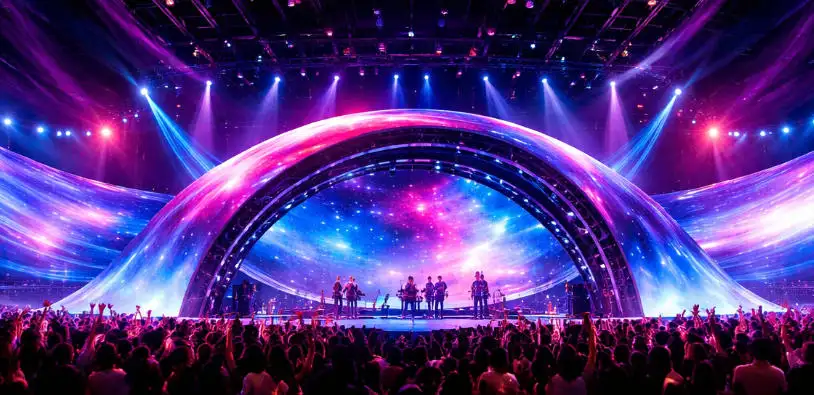
Stage design has changed a lot in the last few years. A live event is no longer just about lights, speakers, and a backdrop. Today, the screen itself is part of the show. It shapes the mood, supports the performance, and turns a simple stage into a visual experience. That is where the flexible LED screen for stage applications really stands out. Unlike traditional flat displays, flexible LED panels can bend, curve, wrap, and form custom structures. This gives designers far more freedom when building immersive stages for concerts, exhibitions, product launches, fashion shows, and corporate events. For event planners and production teams, the demand is clear: stronger visual impact, faster setup, and more creative stage LED solutions. Flexible LED technology answers all three. Why Flexible LED Displays Matter in Stage Design A stage is not just a platform. It is the center of attention. Every visual detail matters. The audience remembers how the stage looked, how the content moved, and how well the screen matched the performance. A curved LED display for events allows designers to break away from the standard rectangular screen. Instead of forcing a stage design to fit around a display, the display can now fit the design. That changes everything. Flexible LED panels can be installed on curved walls, columns, arches, waves, cylinders, and other custom shapes. This makes them especially useful in modern event production where visual storytelling is just as important as the performance itself. The Role of Flexible LED Screens in Concerts Concert stages rely heavily on visual energy. A good performance needs a screen that does more than show a static logo or video clip. It needs to move with the music and support the atmosphere. That is why the LED display for concert stage setup has become such a major ...
By Cheer
2026-04-09
2026-04-09
Top 7 Applications of Flexible LED Displays in Commercial Spaces
- # flexible LED display applications
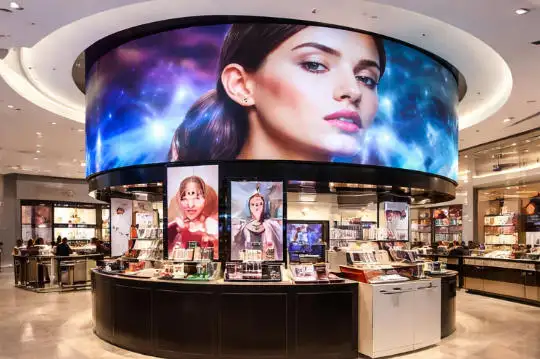
In today's shopping malls, sample rooms and conference centers, those flat ordinary screens are not attractive enough. Brands now want pictures that are moving, curved and three-dimensional, so as to catch everyone's eyes and stop people passing by. This demand can be realized by flexible LED technology. Unlike the fixed big screen, these flexible LED boards can be bent up, wrapped on columns and attached to surfaces of various shapes. They not only put pictures, but also change the feeling of the whole place. For businesses, this new thing can make them more conspicuous, attract more customers to interact and make more money. Let's take a look at the seven most practical uses of flexible LED displays, and we will focus on real examples, not just ideas. 1. Retail Store Visual Merchandising (Where First Impressions Happen) Retail is a battlefield. You have 3 seconds—maybe less. A flexible LED screen for retail changes the game. Instead of static posters or flat video walls, brands are now using curved LED displays to wrap around pillars, contour along walls, or even form wave-like installations. What works: Why it matters:Customers don’t just see your product—they experience it. And experience sells. 2. Exhibition Booths & Trade Show Displays (Stand Out or Get Ignored) Walk through any trade show. Most booths look the same. Now imagine one booth using a LED display for exhibition booth that curves overhead, wraps around corners, or forms a tunnel-like entrance. People stop. They look. They walk in. Common applications: Result:Higher foot traffic. Longer dwell time. Better lead conversion. 3. Shopping Mall Atriums & Public Installations Large commercial spaces demand scale—but also creativity. A curved LED display for commercial space allows designers to break away from flat, rectangular screens and instead create flowing, organic visuals that match the architecture. Typical use ...
By Cheer
2026-04-07
2026-04-07
Flexible LED Display vs Traditional LED Screen: Which One Should You Choose?
- # flexible LED display
- # flexible LED display advantages
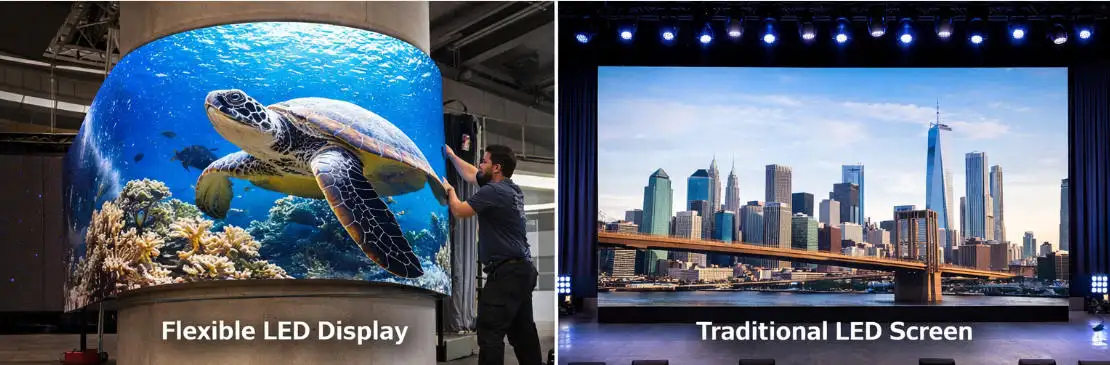
Ever find yourself staring at that colossal LED screen and thinking, "Sure, it's eye-catching, but what else can it do?" You're not the only one who's wondered that. The LED screen scene is undergoing a subtle transformation. It's no longer just about the plain old flat panels—it's all about going the extra mile. Now, when people shop for screens, they're torn between opting for a flexible LED wonder or sticking with the classic LED variety. It's not as cut and dried as it used to be. I've had the pleasure of dealing with both kinds in various endeavors—from setting up shop in retail spaces to creating event stages and even diving into some innovative architectural endeavors. Let me tell you, there's a role for each. But picking the wrong horse in this race can be a costly misstep. What is a Flexible LED Display? A flexible LED screen is precisely what the name implies: an LED panel constructed on a pliable, bendable base rather than on a stiff frame. Unlike their old-school counterparts, these displays can: This is where the debate between curved and flat LED screens truly kicks off. No longer are you stuck with just rectangular options. What is a Traditional (Rigid) LED Screen? A standard LED screen, also known as a rigid LED display, is constructed with sturdy enclosures—typically made of aluminum or steel. Here's the deal: Flexible LED Display vs Traditional LED Screen: Core Differences Structure and Design Flexibility Flexible LED display: Traditional LED screen: In cases where your project calls for columns, curves, or artistic flair, the clear winner is the flexible option. Installation Complexity Flexible LED display: Traditional LED screen: The truth is, while flexible displays look fantastic, they aren't as simple to set up as one might think. Visual Impact Flexible LED display: ...
By Cheer
2026-04-04
2026-04-04
How to Choose a Flexible LED Display: A Practical Guide for Modern Projects
- # flexible LED display
- # flexible LED display manufacturer
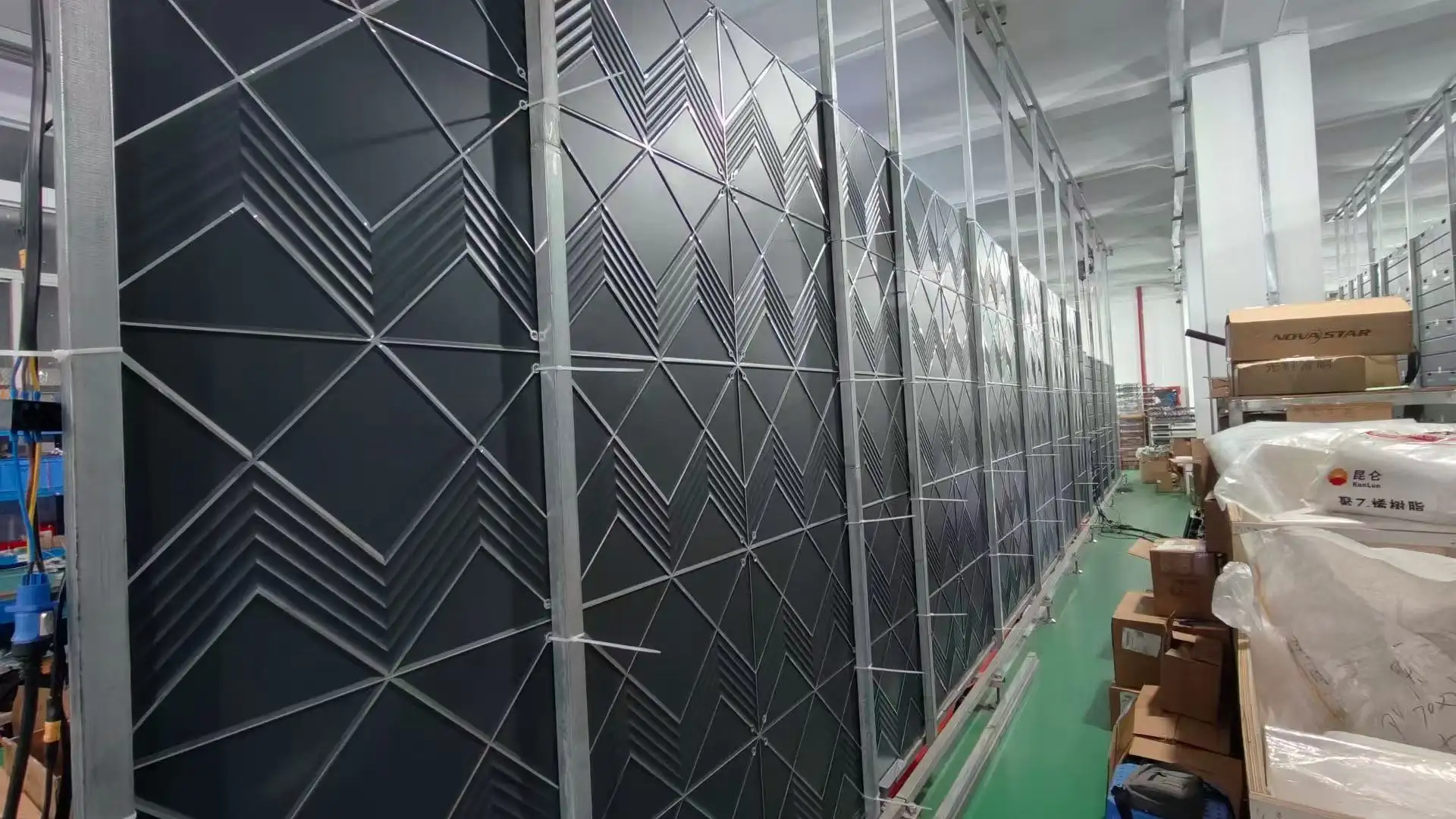
There’s a moment in almost every creative display project when a flat LED screen just isn’t enough. You need curves. Movement. Something that wraps around a column, flows across a wall, or becomes part of the architecture itself. That’s usually when people start searching for a flexible LED display, often without fully understanding what makes one solution work—and another fail six months later. I’ve seen projects where the screen looked stunning on day one and became a maintenance headache by month three. And I’ve seen others run flawlessly for years because the buyer made a few smart decisions early. This guide is about those decisions. Flexible LED Display Is Not About “Flexibility” Alone The biggest misconception is simple: people assume the more flexible the screen is, the better. That’s not how it works. A good flexible LED screen for custom installation needs to balance three things at the same time: Yes, it should bend—but it also needs to hold its shape, maintain pixel alignment, and survive transportation, installation, and daily use. Modern designs—especially those using flexible PCB materials and soft silicone bases—allow modules to bend significantly while still maintaining reliability. But the real question is: how controlled is that flexibility? Because uncontrolled flexibility leads to uneven surfaces, visible seams, and eventual failure. Where Flexible LED Displays Actually Make Sense Not every project needs a curved screen. But when it does, nothing else can replace it. The most common use cases today include: In these scenarios, buyers are often searching for terms like custom flexible LED display for retail, curved LED screen for stage design, or creative LED display solutions for commercial spaces. And the intention behind those searches is always the same:“I don’t want a screen. I want a visual experience.” The Technical Side Most Buyers Overlook Here’s where things ...
By Cheer
2026-04-01
2026-04-01
