


 Home » Blog » Comapny News »
2026-04-12



The market for digital display technology has changed fast. A few years ago, most buyers only cared about size, resolution, and brightness. Now, for brands, installers, event companies, and system integrators, the real question is different: can the display be customized to fit the project?
That is exactly why the custom flexible LED display category is growing so quickly. These displays are no longer limited to flat, rigid boards. They can bend, curve, wrap, and adapt to creative installations that standard screens simply cannot handle. For buyers looking for a more tailored solution, the choice often comes down to working with an OEM flexible LED screen or an ODM LED display manufacturer that can deliver something built for a specific use case.
If you are searching for a flexible LED display supplier China or comparing custom LED display solution options, this guide will help you understand what matters before you place an order.
What Is a Custom Flexible LED Display?
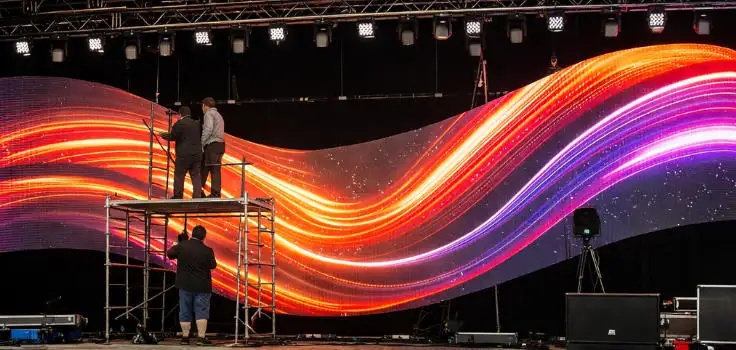
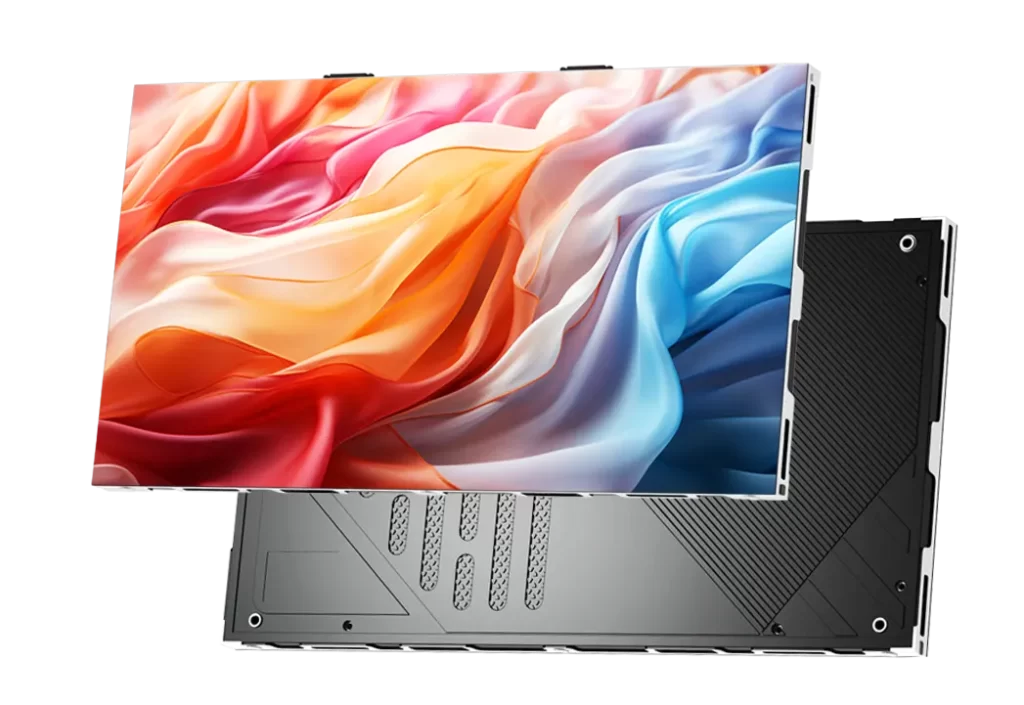
A custom flexible LED display is a display system designed to adapt to non-standard shapes, surfaces, or installation requirements. Unlike traditional rigid LED panels, flexible LED modules use a softer structure that allows the screen to curve or conform to a surface.
This makes them useful in places where design matters just as much as performance. You might see them in retail stores, exhibition booths, stage backdrops, curved walls, control rooms, architectural installations, and immersive brand spaces.
The word “custom” is important here. A custom flexible LED display is not a one-size-fits-all product. It may be adapted in terms of pixel pitch, curvature, cabinet size, module shape, installation method, brightness, refresh rate, or even the control system.
Why Buyers Choose Flexible LED Displays
There is a simple reason flexible LED technology keeps attracting attention: it creates visual impact.
A flat screen can show content. A curved screen can create an experience.
Brands use flexible LED displays because they want to stand out. Event organizers use them because they want something more dynamic than a standard backdrop. Architects and designers use them because the screen becomes part of the environment, not just a device mounted on the wall.
For many buyers, the biggest advantage is not just the look. It is the freedom to build a display around the project instead of forcing the project around the display.
OEM vs ODM: What Is the Difference?
This is one of the first things serious buyers need to understand.
An OEM flexible LED screen is usually built according to the buyer’s own specifications, brand requirements, or project needs. In OEM work, the manufacturer produces the display based on the customer’s design, technical request, or private-label plan.
An ODM LED display manufacturer goes a step further. In ODM projects, the manufacturer already has a product framework, design, or technology platform, and the buyer can adapt it, rebrand it, or request partial changes.
In practical terms:
OEM is usually the better option when you already know exactly what you want and need deeper customization.
ODM is often the faster path when you want a proven base product with room for branding and moderate modifications.
Both models are useful. The right choice depends on your budget, timeline, and how unique your project needs to be.
What to Check Before Choosing a Manufacturer
Not every supplier can handle flexible LED projects well. A product may look impressive on a website, but the real test is whether the manufacturer can support stable performance, consistent quality, and customization that actually works in the field.
Here are the main things buyers should check.
1. Manufacturing capability
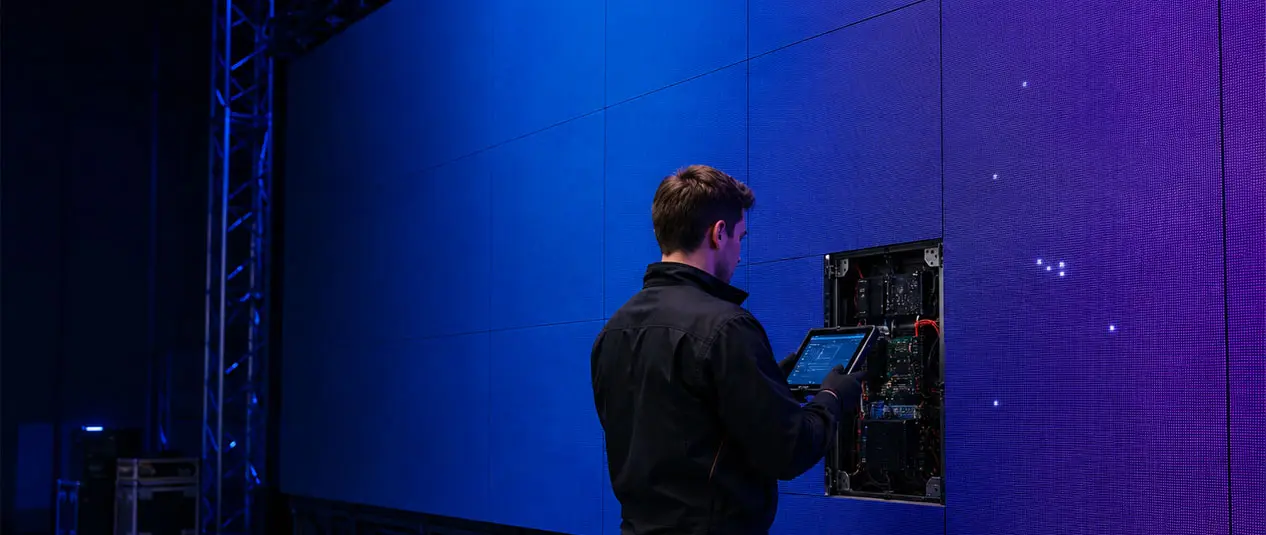
A serious supplier should be able to explain how the modules are produced, how the structure is built, and how quality is controlled during assembly. If a company cannot clearly explain its production process, that is a warning sign.
2. Customization depth
Some manufacturers only offer surface-level changes such as logo printing or packaging. Others can customize module shape, cabinet design, magnetic structure, curvature, control system, and installation method. For a true custom LED display solution, this depth matters.
3. Technical support
Flexible LED displays often require more planning than standard screens. Buyers should ask whether the supplier offers layout guidance, installation support, wiring advice, and after-sales service. A good product with weak support can still become a bad project.
4. Quality of components
LED chips, driver ICs, power supplies, PCB boards, and magnetic modules all affect the final result. Flexible screens are especially sensitive to stability because they are often used in complex installations. Small problems in components can become visible on the screen quickly.
5. Heat management and durability
Flexible displays are often used in indoor commercial environments, but that does not mean heat and durability are unimportant. A reliable display should maintain performance over long hours of operation, especially in rental, retail, or public-facing applications.
6. Real project experience
A manufacturer with real case studies is usually more trustworthy than one with only product photos. Ask for examples of curved installations, creative stage projects, or custom brand applications.
Why China Is a Major Source for Flexible LED Displays
Many global buyers look for a flexible LED display supplier China because China has become one of the strongest manufacturing hubs for LED technology.
The advantage is not only price. The real value is the combination of supply chain depth, production speed, component availability, and customization flexibility. Chinese manufacturers often have more experience working with export customers, OEM branding, and multi-project orders.
That said, buying from China does not automatically guarantee quality. The difference between a reliable supplier and an average one can be huge. Buyers should evaluate the factory, not just the quotation.
Common Use Cases for Custom Flexible LED Displays
Flexible LED displays are used in many industries, but some applications are especially common.
In retail, they help stores create attention-grabbing product zones and immersive brand areas.
In exhibitions, they are often used for curved booth walls, entrance features, and demo spaces.
In stage design, they create dramatic backdrops and visual movement that flat screens cannot match.
In architecture and interior design, they can become part of the building or interior surface itself.
In museums and experience centers, they help tell stories in a more visually engaging way.
In these environments, the display is not just a screen. It is part of the design language.
How to Define Your Custom Project Clearly
One of the biggest reasons LED projects go wrong is that the buyer starts with a vague idea.
“We need something flexible” is not enough.
A better project brief should include the following: installation location, indoor or outdoor use, viewing distance, desired shape, screen size, pixel pitch, brightness level, control method, maintenance access, and brand or visual goals.
The clearer your brief, the better your supplier can recommend a suitable solution. A strong manufacturer should also help you refine the request if you are not sure about the technical details.
Questions to Ask a Potential Supplier
Before you choose an OEM or ODM partner, ask direct questions. Good manufacturers will answer them clearly.
Can you customize the size and curvature?
Do you support private label or logo branding?
What pixel pitches are available?
Can you provide installation drawings or structural guidance?
What is the lead time for samples and bulk orders?
How do you handle spare parts and maintenance?
Have you completed similar projects before?
These questions may sound basic, but they reveal whether the supplier truly understands custom LED work or only sells standard products.
Mistakes Buyers Should Avoid
A lot of buyers focus only on price. That is usually a mistake.
The cheapest offer may not include the support, structure, or component quality needed for a successful installation. Another common mistake is ignoring the difference between indoor and outdoor use. A flexible display designed for indoor branding is not automatically suitable for outdoor conditions.
Buyers also sometimes underestimate installation complexity. A flexible display may look elegant in the final result, but it still needs proper mounting, power planning, and thermal design. Cutting corners here can create expensive problems later.
Why Custom Flexible LED Displays Are a Smart Long-Term Investment
A well-designed custom display can do more than show content. It can strengthen branding, improve audience engagement, and make a space feel more premium.
For B2B buyers, the real value comes from differentiation. When multiple competitors use the same flat screen, a flexible display creates a stronger first impression. It helps a brand look more modern, more technical, and more professional.
That is why many buyers now prefer a custom flexible LED display instead of a standard off-the-shelf solution. They are not just buying hardware. They are buying visual impact.
Final Thoughts
If you are planning a creative display project, choosing the right partner matters as much as choosing the right product.
An experienced OEM flexible LED screen supplier or ODM LED display manufacturer can help turn a rough idea into a working solution. A dependable flexible LED display supplier China should be able to offer more than a low price. They should provide engineering support, customization options, and a clear understanding of your project goals.
In the end, the best custom LED display solution is not the one with the most features on paper. It is the one that fits the space, supports the brand, and performs reliably in the real world.
FAQ
What is a custom flexible LED display?
A custom flexible LED display is an LED screen designed to bend, curve, or fit special installation requirements. It is used in creative, architectural, retail, and event applications.
What is the difference between OEM and ODM in LED displays?
OEM means the display is made according to the buyer’s own design or brand requirements. ODM means the manufacturer provides a base design that can be adapted or rebranded.
Why do buyers source flexible LED displays from China?
China offers strong manufacturing capacity, supply chain advantages, and wide customization options, which makes it a major hub for LED display buyers.
How do I choose the right flexible LED display supplier?
Check manufacturing capability, customization depth, product quality, project experience, and after-sales support before placing an order.
Is a flexible LED display suitable for branding projects?
Yes. Flexible LED displays are often used in branding, retail, exhibitions, stage design, and immersive spaces because they create a strong visual effect.
