


* THERE ARE 37 ARTICLES
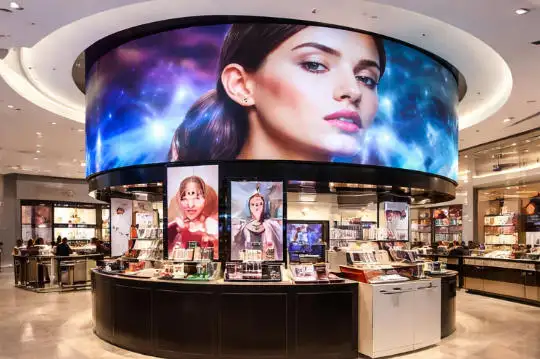
Top 7 Applications of Flexible LED Displays in Commercial Spaces
- # flexible LED display applications
In today's shopping malls, sample rooms and conference centers, those flat ordinary screens are not attractive enough. Brands now want pictures that are moving, curved and three-dimensional, so as to catch everyone's eyes and stop people passing by. This demand can be realized by flexible LED technology. Unlike the fixed big screen, these flexible LED boards can be bent up, wrapped on columns and attached to surfaces of various shapes. They not only put pictures, but also change the feeling of the whole place. For businesses, this new thing can make them more conspicuous, attract more customers to interact and make more money. Let's take a look at the seven most practical uses of flexible LED displays, and we will focus on real examples, not just ideas. 1. Retail Store Visual Merchandising (Where First Impressions Happen) Retail is a battlefield. You have 3 seconds—maybe less. A flexible LED screen for retail changes the game. Instead of static posters or flat video walls, brands are now using curved LED displays to wrap around pillars, contour along walls, or even form wave-like installations. What works: Why it matters:Customers don’t just see your product—they experience it. And experience sells. 2. Exhibition Booths & Trade Show Displays (Stand Out or Get Ignored) Walk through any trade show. Most booths look the same. Now imagine one booth using a LED display for exhibition booth that curves overhead, wraps around corners, or forms a tunnel-like entrance. People stop. They look. They walk in. Common applications: Result:Higher foot traffic. Longer dwell time. Better lead conversion. 3. Shopping Mall Atriums & Public Installations Large commercial spaces demand scale—but also creativity. A curved LED display for commercial space allows designers to break away from flat, rectangular screens and instead create flowing, organic visuals that match the architecture. Typical use ...
By Cheer
2026-04-07
2026-04-07
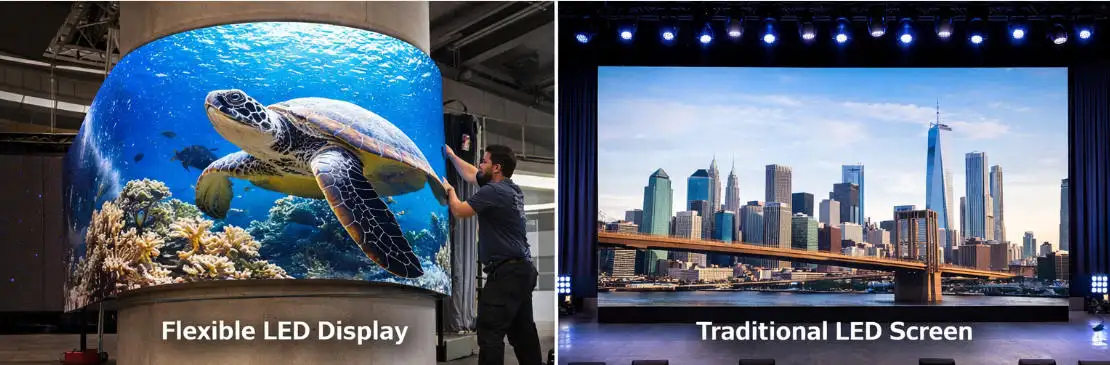
Flexible LED Display vs Traditional LED Screen: Which One Should You Choose?
- # flexible LED display
- # flexible LED display advantages
Ever find yourself staring at that colossal LED screen and thinking, "Sure, it's eye-catching, but what else can it do?" You're not the only one who's wondered that. The LED screen scene is undergoing a subtle transformation. It's no longer just about the plain old flat panels—it's all about going the extra mile. Now, when people shop for screens, they're torn between opting for a flexible LED wonder or sticking with the classic LED variety. It's not as cut and dried as it used to be. I've had the pleasure of dealing with both kinds in various endeavors—from setting up shop in retail spaces to creating event stages and even diving into some innovative architectural endeavors. Let me tell you, there's a role for each. But picking the wrong horse in this race can be a costly misstep. What is a Flexible LED Display? A flexible LED screen is precisely what the name implies: an LED panel constructed on a pliable, bendable base rather than on a stiff frame. Unlike their old-school counterparts, these displays can: This is where the debate between curved and flat LED screens truly kicks off. No longer are you stuck with just rectangular options. What is a Traditional (Rigid) LED Screen? A standard LED screen, also known as a rigid LED display, is constructed with sturdy enclosures—typically made of aluminum or steel. Here's the deal: Flexible LED Display vs Traditional LED Screen: Core Differences Structure and Design Flexibility Flexible LED display: Traditional LED screen: In cases where your project calls for columns, curves, or artistic flair, the clear winner is the flexible option. Installation Complexity Flexible LED display: Traditional LED screen: The truth is, while flexible displays look fantastic, they aren't as simple to set up as one might think. Visual Impact Flexible LED display: ...
By Cheer
2026-04-04
2026-04-04
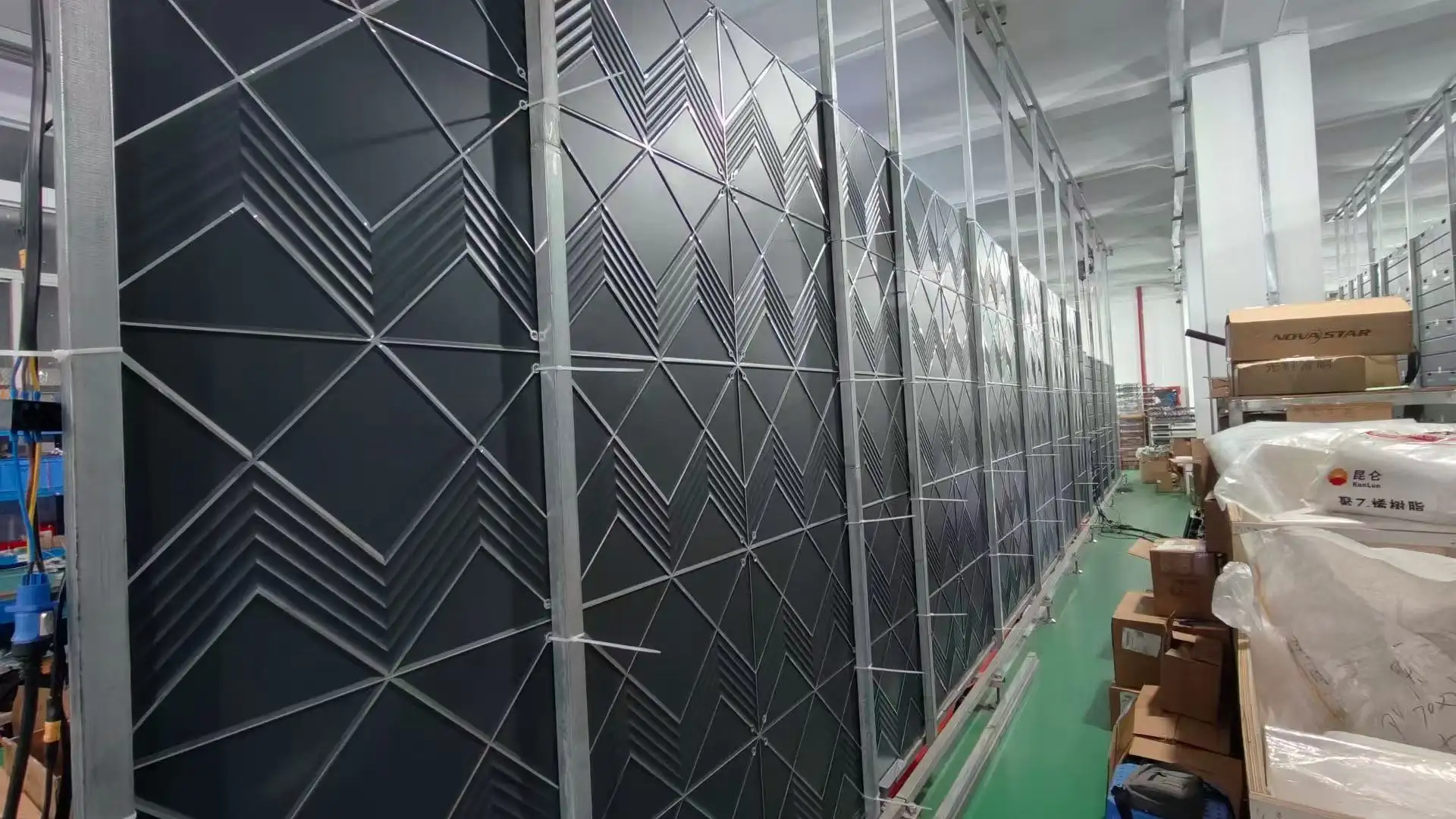
How to Choose a Flexible LED Display: A Practical Guide for Modern Projects
- # flexible LED display
- # flexible LED display manufacturer
There’s a moment in almost every creative display project when a flat LED screen just isn’t enough. You need curves. Movement. Something that wraps around a column, flows across a wall, or becomes part of the architecture itself. That’s usually when people start searching for a flexible LED display, often without fully understanding what makes one solution work—and another fail six months later. I’ve seen projects where the screen looked stunning on day one and became a maintenance headache by month three. And I’ve seen others run flawlessly for years because the buyer made a few smart decisions early. This guide is about those decisions. Flexible LED Display Is Not About “Flexibility” Alone The biggest misconception is simple: people assume the more flexible the screen is, the better. That’s not how it works. A good flexible LED screen for custom installation needs to balance three things at the same time: Yes, it should bend—but it also needs to hold its shape, maintain pixel alignment, and survive transportation, installation, and daily use. Modern designs—especially those using flexible PCB materials and soft silicone bases—allow modules to bend significantly while still maintaining reliability. But the real question is: how controlled is that flexibility? Because uncontrolled flexibility leads to uneven surfaces, visible seams, and eventual failure. Where Flexible LED Displays Actually Make Sense Not every project needs a curved screen. But when it does, nothing else can replace it. The most common use cases today include: In these scenarios, buyers are often searching for terms like custom flexible LED display for retail, curved LED screen for stage design, or creative LED display solutions for commercial spaces. And the intention behind those searches is always the same:“I don’t want a screen. I want a visual experience.” The Technical Side Most Buyers Overlook Here’s where things ...
By Cheer
2026-04-01
2026-04-01
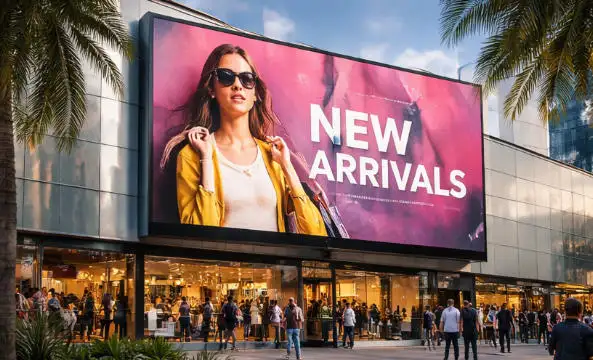
The Rise of DOOH Advertising: What Brands Are Really Getting Into
- # DOOH advertising
- # outdoor LED advertising screens
Walk through any major city today and you’ll notice something has quietly changed. Billboards aren’t static anymore. They move. They react. They feel… alive. This is DOOH advertising (digital out-of-home advertising)—and it’s not just a trend. It’s quickly becoming one of the most practical ways for brands to cut through the noise. I’ve worked around LED display projects and outdoor advertising systems long enough to see the shift happen in real time. What used to be a simple “put your logo on a billboard” game has turned into something far more strategic—and far more interesting. DOOH Isn’t Just Digital Billboards. It’s a Different Mindset. A lot of people still confuse digital out-of-home advertising with traditional OOH plus a screen. That’s not what’s happening. DOOH combines: A campaign can now change based on weather, time of day, or even traffic flow. That alone reshapes how brands think about visibility. And when you connect that with mobile retargeting or social media, DOOH stops being “offline advertising.” It becomes part of a full digital loop. Why Brands Are Putting More Budget Into DOOH There’s a reason DOOH marketing trends in 2025 keep pointing upward. 1. You Can’t Scroll Past It Online ads are easy to ignore. People skip, block, or scroll. A well-placed LED billboard advertising screen, though? You’re going to see it. That kind of forced visibility still matters—especially for brand awareness. 2. It Feels More Legit There’s an unspoken rule in marketing: If a brand shows up on a massive outdoor screen in a prime location, people take it more seriously. Compared to banner ads, digital billboard advertising carries weight. It signals scale. 3. Programmatic DOOH Is Catching Up Fast One of the biggest changes I’ve seen is the rise of programmatic DOOH. Media buyers can now: It’s starting to behave ...
By Cheer
2026-03-30
2026-03-30
How to Choose an LED Supplier: Factory Capabilities, Customization & OEM/ODM Options
- # LED display manufacturer
- # rental LED display manufacturer
Choosing the right LED display supplier is not just about price—it’s about long-term reliability, scalability, and technical partnership. Whether you are sourcing for rental LED screens, DOOH advertising, or commercial installations, the supplier you select will directly impact your project quality, maintenance costs, and brand reputation. This guide breaks down how to evaluate LED suppliers from three critical dimensions: factory capabilities, customization flexibility, and OEM/ODM expertise, while incorporating real-world insights from leading manufacturers such as CheerLED. 1. Factory Capabilities: The Foundation of a Reliable LED Supplier A supplier’s factory strength determines product consistency, delivery timelines, and quality control. 1.1 Production Scale & Automation Top-tier LED manufacturers operate automated production lines and large-scale facilities. For example, some factories in Shenzhen exceed 8,000㎡ production areas with automated assembly systems, ensuring precision and stable output. What to look for: 👉 Why it matters: Higher automation = fewer defects and faster delivery. 1.2 R&D Capability and Innovation A strong R&D team is a key differentiator. Leading suppliers invest heavily in: For instance, CheerLED emphasizes continuous innovation and dedicated R&D teams to stay ahead of LED technology trends. Key indicators: 1.3 Quality Control System (QC) Reliable suppliers implement strict QC processes such as: Manufacturers like CheerLED highlight rigorous QC systems and strict production techniques to ensure high standards. 👉 Red flag: Suppliers without documented QC procedures or certifications. 1.4 Supply Chain Integration Strong factories control: Some suppliers maintain long-term partnerships with key component brands, ensuring stable performance and compatibility. 2. Customization Capabilities: Meeting Real Project Needs Modern LED projects are rarely standard. Customization is no longer optional—it’s essential. 2.1 Product Customization Scope A professional supplier should offer: For example, CheerLED provides fully customized LED displays in size, shape, material, and resolution, including creative forms like spheres and flexible modules. 2.2 Application-Based Solutions Top suppliers don’t ...
By Cheer
2026-03-29
2026-03-29
All-in-One LED Displays: What Actually Matters (From Someone Who’s Seen Too Many Installs Go Wrong)
- # all-in-one LED display
- # OEM all-in-one LED display
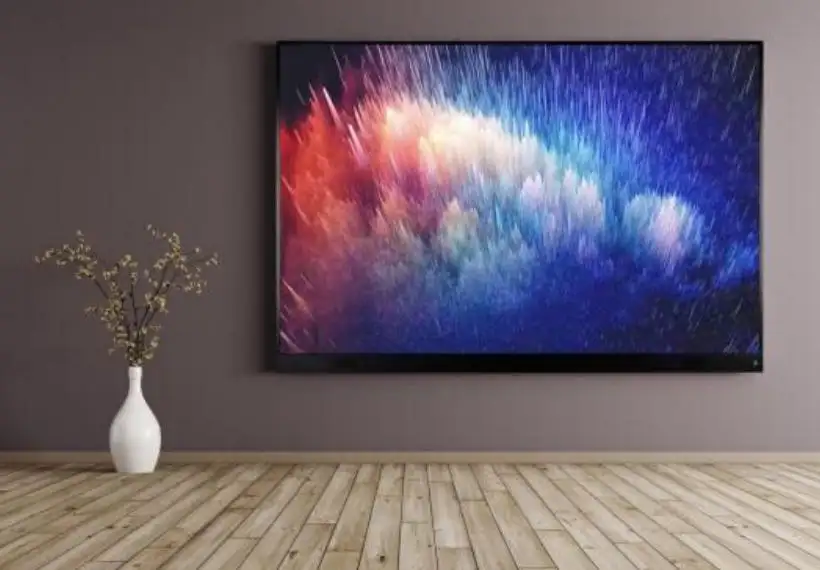
I’ve watched enough LED projects fall apart on-site to know one thing: the problem is rarely the screen itself. It’s the install. The wiring. The endless calibration. The last-minute surprises no one budgeted for. That’s exactly where all-in-one LED displays change the game. They’re not just a new product category. They’re a correction. A response to years of overcomplicated LED video wall solutions that looked great on paper and turned into a headache in real life. If you’re evaluating an integrated LED display system—whether for a meeting room, showroom, or commercial deployment—this is what actually matters. What Is an All-in-One LED Display (And Why It Exists) Strip away the marketing language, and it’s simple. An all-in-one LED display is a fully integrated LED display system where: …are already built into a single unit. No external boxes. No rack cabinets. No spaghetti wiring behind the wall. I like to describe it this way: A traditional LED wall is a construction project.An all-in-one LED display is a finished product. That difference alone is why more buyers are searching for terms like: They’re not just looking for better visuals. They’re looking for fewer problems. The Features That Actually Make a Difference 1. Real Integration (Not Just Marketing Talk) A lot of products claim to be “integrated.” Few actually are. With a proper all-in-one LED display, integration means: From what I’ve seen, this is where companies like LEDCHEER have focused their engineering—pushing high integration so the system behaves more like a single device, not a collection of parts. The payoff is obvious the moment you turn it on: it just works. 2. Plug-and-Play Isn’t a Buzzword—It’s a Time Saver I’m naturally skeptical of anything labeled “plug and play.” In LED, that phrase used to be a stretch. Here, it’s mostly accurate. You’re typically dealing ...
By Cheer
2026-03-27
2026-03-27
